Complete a Century Bike Ride
From $50
At a Glance
$50+
5-10 hours ride, months of training
Spring or fall
About This Experience
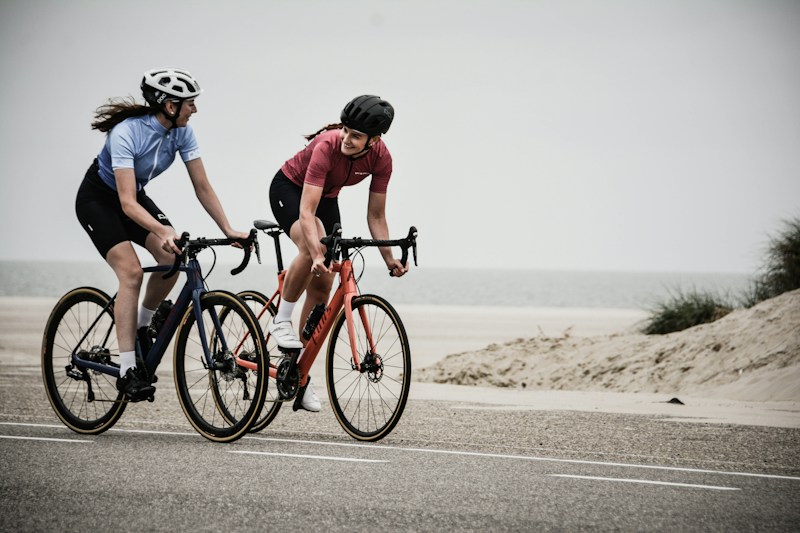
A century ride—100 miles on a bicycle in a single day—stands as cycling's most celebrated amateur milestone, a distance that transforms recreational riders into genuine endurance athletes through months of preparation and a day of sustained effort that tests physical conditioning and mental resolve equally. The round number carries psychological weight, marking an achievement that non-cyclists immediately recognize as significant while cyclists understand represents genuine accomplishment requiring dedicated training. The training for a first century typically spans three to four months of progressively longer rides. Base building begins with whatever distance you can comfortably complete, adding roughly ten percent weekly until long rides reach sixty to seventy miles—sufficient to know your body can handle distance if properly paced. The training process develops not just cardiovascular fitness and leg strength but saddle tolerance, bike handling at fatigued states, and understanding of how your body responds to hours of continuous effort. Nutrition becomes critical at distances most recreational cyclists never approach. Beyond two hours of riding, glycogen stores begin depleting, and without continuous fueling, bonking—the dramatic and unpleasant energy collapse when muscle glycogen fully depletes—becomes inevitable. Training rides must include practice with on-bike nutrition: energy gels, bars, chews, or real food in whatever combinations your stomach tolerates. Many riders discover they can't eat what works for others; personal nutrition strategy requires experimentation during training, not discovery during the century itself. Hydration demands similarly exceed casual expectations. Sweat rates during cycling can exceed a liter per hour in warm conditions, and fluid loss of just two percent of body weight measurably degrades performance. Organized centuries provide aid stations with water and often sports drinks; self-supported rides require carrying sufficient fluid or planning refill stops. Electrolyte replacement matters as much as volume—plain water, consumed in excess, can cause dangerous dilution of blood sodium. The pacing strategy for completing a century differs dramatically from how most recreational riders approach shorter distances. The first fifty miles should feel almost too easy; the discipline required to hold back early, resisting the fresh-legs urge to push hard, separates successful century riders from those who collapse in the final twenty miles. Conservation early preserves reserves for when the ride inevitably becomes genuinely difficult. Most riders hit their hardest patch somewhere between miles seventy and ninety, when the accumulated effort weighs heaviest and the finish still seems distant. Organized centuries offer significant advantages for first-timers. Aid stations every fifteen to twenty miles provide food, water, and mental breaks. Course marking eliminates navigation stress. SAG (support and gear) vehicles rescue riders who can't continue, removing the anxiety of being stranded. Fellow riders provide both motivation and pacing assistance through informal pacelines. Many organized centuries offer multiple distance options, allowing you to register for the full hundred while knowing that fifty or seventy-five mile exits exist if needed. The bike itself matters, though less than many assume. A properly fitted road bike of any quality exceeds what most riders need; equipment obsession often masks insufficient training. What does matter critically: saddle comfort (tested over long training rides), handlebar positions that allow shifting pressure points, and reliable mechanical function. A flat tire at mile eighty is frustrating; knowing how to fix it quickly prevents frustration from becoming crisis. The mental journey of a century parallels physical challenges with psychological ones. There's a stretch, different for everyone but common to nearly all, where the remaining distance seems impossible. The mind generates elaborate reasons to quit: vague pains that might be injuries, weather that might worsen, doubts about preparation adequacy. Pushing through this mental trough—continuing to pedal despite every thought insisting you should stop—develops mental fortitude that extends far beyond cycling. The finish line, whenever it finally appears, rewards not just physical achievement but the victory over internal resistance that wanted to prevent it. The recovery from a first century often surprises new endurance athletes. Unlike running's impact stress, cycling produces different damage: saddle soreness, stiff neck and shoulders, and general fatigue rather than destroyed legs. Most riders can walk normally the next day but may feel depleted for several days afterward. The sense of accomplishment, though, persists much longer—having proven capable of triple-digit distance, future cycling ambitions expand correspondingly.
Cost Breakdown
Estimated costs can vary based on location, season, and personal choices.
Budget
Basic experience, economical choices
Mid-Range
Comfortable experience, quality choices
Luxury
Premium experience, best options
Difficulty & Requirements
Challenging. Significant preparation and commitment required.
Physical Requirements
Strong cycling base
Prerequisites
- Comfortable riding 50+ miles
- Proper bike fit
Tips & Advice
Build up distance gradually over months
Nutrition is critical - eat before you're hungry
Organized centuries have support and aid stations
Flat routes are easier for first century
Chamois cream is your friend
Related Topics
Community Discussion
Ask questions, share tips, or read experiences from others.
View Discussions Start DiscussionShare This Experience
Quick Summary
- Category Wellness
- Starting Cost $50
- Time Needed 5-10 hours ride, months of training
- Best Season Spring or fall
- Difficulty Difficult
You Might Also Like
Run a Marathon
Complete the iconic 26.2-mile distance.
Complete a Major Fitness Challenge
Push your limits with a significant physical goal.
Achieve 10 Consecutive Pull-Ups
Build upper body strength to complete 10 pull-ups.
Swim a Mile in Open Water
Complete a significant open water swim.