Complete a Major Fitness Challenge
From $50

Complete a Major Fitness Challenge
Push your limits with a significant physical goal.
At a Glance
$50+
Varies (30-90 days typical)
Year-round
About This Experience
Major fitness challenges—whether structured programs like 75 Hard, event-based goals like Spartan Races, or personal commitments like consecutive workout streaks—test discipline as much as physical capability, proving to yourself that sustained effort over weeks or months produces results that seemed impossible at the outset. The specific challenge matters less than the commitment and completion; what transforms is not just the body but the relationship with your own capacity for sustained difficult effort. The 75 Hard challenge has gained particular prominence as a mental toughness test wrapped in fitness requirements. The rules are unforgiving: two 45-minute workouts daily (one outdoors), a gallon of water, a strict diet with no alcohol, reading ten pages of non-fiction, taking a progress photo, all for 75 consecutive days without a single miss. Missing any component requires restarting from day one. The physical demands prove manageable for reasonably fit people; the mental discipline of perfect compliance creates the actual challenge. Completers consistently report the mental transformation exceeds the physical. Obstacle course races like Spartan, Tough Mudder, and GoRuck events offer discrete goals with defined training periods. The Spartan progression from Sprint (3-5 miles, 20-23 obstacles) through Super (8-10 miles, 24-29 obstacles) to Beast (12-14 miles, 30-35 obstacles) allows graduated challenge that builds toward increasingly difficult achievements. These events combine running fitness with functional strength—climbing walls, carrying heavy objects, crawling through mud—requiring broader preparation than pure endurance or pure strength training. Personal challenges designed around individual circumstances can prove equally transformative. Thirty or sixty days of consecutive exercise, regardless of duration or intensity, builds the habit that makes fitness sustainable rather than sporadic. Specific strength goals—your first pull-up, a bodyweight bench press, a particular squat or deadlift milestone—provide concrete targets that training organizes around. Distance goals in running, cycling, or swimming translate easily to training plans that progressive overload builds toward target achievements. The psychological mechanisms of challenge completion operate regardless of specific challenge chosen. Setting public commitments creates accountability that private intentions lack. Tracking progress visibly—through apps, journals, or social sharing—maintains motivation through difficult periods. The identity shift from "someone who tries to exercise" to "someone who completes difficult challenges" persists beyond any single achievement, creating self-concept that supports future endeavors. Community support significantly affects completion rates. Finding others pursuing similar challenges, whether in person or through online communities, provides both accountability and shared wisdom. The struggles that feel isolating when faced alone become normal and manageable when others acknowledge experiencing them too. Many challenges have developed extensive communities: 75 Hard forums, Spartan race training groups, running clubs preparing together for marathons. The physical adaptations from sustained challenge engagement compound over the commitment period. Bodies respond to consistent training stimuli with remarkable plasticity—building strength, expanding endurance, improving body composition. These changes often feel invisible day to day but become dramatic when comparing start to finish. Progress photos, performance benchmarks, and body measurements document transformation that subjective experience underestimates. Recovery and sustainability after challenge completion deserve consideration during the challenge itself. The intensity required to complete demanding challenges cannot be maintained indefinitely; planning for post-challenge continuation prevents the fitness loss that follows when stopping cold. Many challenge veterans maintain modified versions—less intense but still consistent—preserving gains while allowing sustainable long-term practice. The goal is not perpetual extreme effort but using challenge periods to establish foundations that lighter ongoing practice maintains. The confidence gained through completing significant fitness challenges extends beyond physical domains. Having proven ability to commit to difficult long-term goals and see them through, other ambitious projects seem more achievable. The discipline developed through daily non-negotiable effort transfers to professional projects, relationship investments, and personal development pursuits. The body becomes evidence of what you're capable of; that evidence supports ambitious undertakings in every life domain.
Cost Breakdown
Estimated costs can vary based on location, season, and personal choices.
Budget
Basic experience, economical choices
Mid-Range
Comfortable experience, quality choices
Luxury
Premium experience, best options
Difficulty & Requirements
Challenging. Significant preparation and commitment required.
Physical Requirements
Base fitness level
Prerequisites
- Commitment
- Appropriate fitness base
Tips & Advice
Choose a challenge appropriate to your level
75 Hard is mental as much as physical
Spartan Races have different difficulty tiers
The transformation is in the discipline
Community support helps completion rates
Related Topics
Community Discussion
Ask questions, share tips, or read experiences from others.
View Discussions Start DiscussionShare This Experience
Quick Summary
- Category Wellness
- Starting Cost $50
- Time Needed Varies (30-90 days typical)
- Best Season Year-round
- Difficulty Difficult
You Might Also Like

Run a Marathon
Complete the iconic 26.2-mile distance.
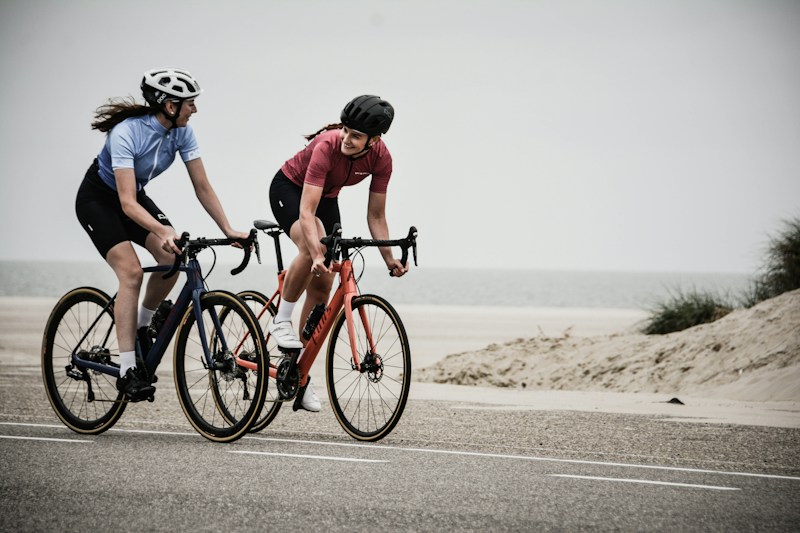
Complete a Century Bike Ride
Ride 100 miles in a single day.

Swim a Mile in Open Water
Complete a significant open water swim.

Complete a 30-Day Health Challenge
Transform a habit through 30 days of consistency.