Swim a Mile in Open Water
From $30
At a Glance
$30+
20-45 minutes swim, months of training
Summer
About This Experience
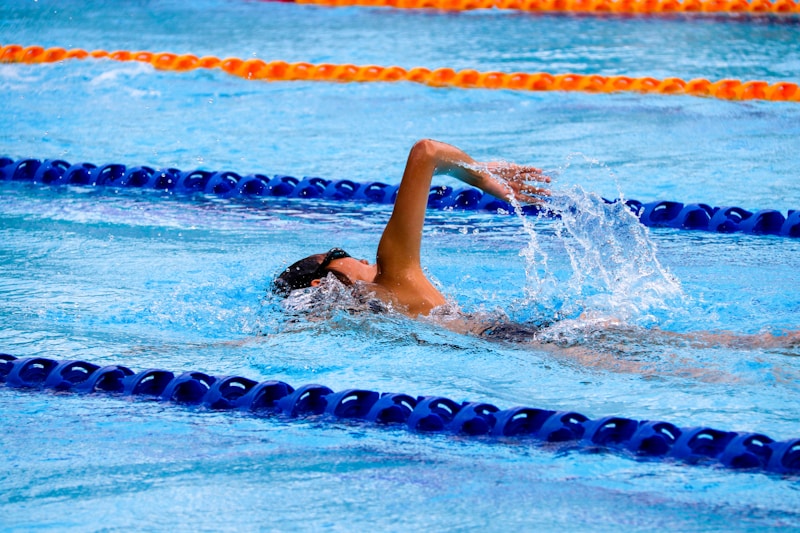
Swimming a mile in open water represents a fundamentally different challenge than pool swimming, testing not just cardiovascular fitness and stroke efficiency but comfort with unpredictability, navigation ability, and the mental fortitude to maintain rhythm without lane lines, walls, or visible end point. The transition from controlled pool environment to ocean, lake, or river surfaces exposes swimmers to conditions that reveal whether their water competency extends beyond the artificial clarity of a swimming pool. Open water swimming introduces variables that pool swimmers never encounter. Water temperature, potentially cold enough to require wetsuits or warm enough to increase fatigue, affects pace and energy management. Currents and chop require constant adjustment; the stroke that powers you smoothly in calm water may need modification when waves slap from the side or swells lift and drop you. Visibility often measures in feet rather than the crystalline clarity of pools—you swim through murk rather than over painted lines, sometimes brushing plants or encountering curious fish that startle unprepared swimmers. The psychological dimensions of open water swimming challenge many capable pool swimmers. Without walls marking distance covered, swimming can feel like treading water in place. The depth beneath—potentially hundreds of feet in ocean or lake swimming—triggers primal fears that pools with their visible bottoms never provoke. Marine life, even harmless species, unsettles some swimmers. The distance to shore, reassuringly close in pools, can feel impossibly far when fatigue mounts mid-swim. These psychological challenges require their own training, separate from physical conditioning. Sighting—periodically lifting your head to verify direction—is essential skill that pool swimmers never develop. Without lane lines, even slight course deviation accumulates into significant added distance; swimming the straightest line requires regular confirmation of heading. Sighting disrupts stroke rhythm and costs energy, making efficient technique crucial. Learning to sight effectively, with minimal disruption to momentum, marks the transition from pool swimmer to open water swimmer. Training for open water requires gradual introduction to conditions you'll face. Begin with short distances in controlled open water settings—designated swimming areas with lifeguards, calm lake sections, protected bays. Build distance gradually while monitoring comfort with conditions. Practice sighting during every open water session until it becomes automatic. Swim with partners or groups; solo open water swimming carries risks that companionship mitigates. Organized open water swims provide structured goals with safety support. Events range from short beginner-friendly swims in protected waters to challenging crossings of channels and straits. Entry-level events typically span one kilometer or one mile; these distances are achievable for moderately fit swimmers with basic open water experience. Longer events, including marathon swimming over ten kilometers, require specialized training and support crews. Equipment for open water swimming differs from pool needs. Wetsuits provide buoyancy and warmth in cold water but may be prohibited in warmer-water competitive events; knowing when to use one requires understanding both conditions and rules. Bright swim caps increase visibility to boats and support crews. Goggles with anti-fog treatment and appropriate tint for light conditions ensure you can see where you're going. For longer swims, lubrication under arms and around the neck prevents chafing that becomes severe over extended distances. Safety requires respect that open water demands. Never swim alone in open water; even experienced swimmers encounter cramps, disorientation, or equipment problems that require assistance. Understand the specific conditions of your chosen venue—currents, temperature, marine life, boat traffic. Wear visible colors and consider tow buoys that increase visibility while providing flotation if needed. Know your limits and be willing to exit if conditions exceed your comfort or ability. The satisfaction of completing a significant open water swim extends beyond physical achievement. Having proven capable in natural water, with its unpredictability and challenge, demonstrates adaptability that controlled environments never test. Many swimmers find open water more rewarding than pools despite (or because of) its difficulties—the sensory experience of swimming through nature, the visible progress toward a shore, and the camaraderie of open water community all contribute to satisfaction that lap swimming rarely matches.
Cost Breakdown
Estimated costs can vary based on location, season, and personal choices.
Budget
Basic experience, economical choices
Mid-Range
Comfortable experience, quality choices
Luxury
Premium experience, best options
Difficulty & Requirements
Requires some preparation, skills, or resources.
Physical Requirements
Strong swimming ability
Prerequisites
- Pool swimming competency
- Open water experience
Tips & Advice
Practice in open water before the event
Sighting (looking up while swimming) is essential
Wetsuits provide warmth and buoyancy
Never swim alone
Start with shorter distances
Related Topics
Community Discussion
Ask questions, share tips, or read experiences from others.
View Discussions Start DiscussionShare This Experience
Quick Summary
- Category Wellness
- Starting Cost $30
- Time Needed 20-45 minutes swim, months of training
- Best Season Summer
- Difficulty Challenging
You Might Also Like

Complete a Major Fitness Challenge
Push your limits with a significant physical goal.

Run a Marathon
Complete the iconic 26.2-mile distance.

Complete a Week-Long Digital Detox
Disconnect from screens and reconnect with life.
Complete a Century Bike Ride
Ride 100 miles in a single day.