Explore the Scottish Highlands
From $1.5k

Explore the Scottish Highlands
Journey through misty mountains, ancient castles, and legendary lochs.
At a Glance
$1.5k+
7-10 days
Scotland, UK
May-September
About This Experience
The Scottish Highlands occupy a landscape of mist and legend—mountains that rise from dark lochs, glens that echo with the history of clan warfare, castles perched on promontories where ravens wheel against iron skies, and a quality of light that has inspired artists and poets for centuries. This is Britain's last great wilderness, where red deer roam hillsides, golden eagles soar above ridges, and the weather changes with a drama that can render landscapes unrecognizable within hours. The geography itself tells a story of geological violence and glacial patience. The Great Glen, a fault line splitting Scotland diagonally from Fort William to Inverness, contains Loch Ness with its 230-meter depths and improbable monster legend. The Cairngorms plateau reaches alpine altitudes supporting Arctic-Alpine flora and fauna found nowhere else in Britain. The northwest coast dissolves into sea lochs, islands, and peninsulas where the mainland seems to unravel before reaching the Atlantic. The Isle of Skye concentrates Highland drama into accessible form. The Cuillin Ridge presents mountaineers with some of Britain's most challenging climbing, while the Quiraing and Old Man of Storr offer dramatic landscapes reachable by casual walkers. Fairy pools cascade through colorful rocks. The Talisker Distillery produces whisky shaped by sea spray and peat smoke. Skye's medieval castle at Dunvegan, seat of Clan MacLeod for 800 years, connects present-day visitors to the clan system that governed Highland life for centuries. The castle heritage of the Highlands rewards exploration. Eilean Donan, rising from a small island where three sea lochs meet, has become Scotland's most photographed castle for good reason. Urquhart Castle overlooks Loch Ness, its ruins romantic against the water. Inverness Castle (rebuilt Victorian) presides over the Highland capital. Craigievar's pink fairytale towers inspired Walt Disney. Each castle carries stories of siege, betrayal, hospitality, and the peculiar intersection of violence and culture that characterized clan society. Whisky represents both cultural practice and serious pilgrimage. The Speyside region alone contains over half of Scotland's distilleries, their copper stills producing the majority of the world's single malt Scotch. Islay's peaty, maritime malts come from a different tradition. Highland Park in Orkney claims the northernmost distillery. Each distillery offers tours that reveal how seemingly simple ingredients—barley, water, yeast—transform through malting, mashing, fermenting, distilling, and aging into spirits that connoisseurs pay fortunes to collect. The North Coast 500—a 516-mile driving route around the far north of Scotland—has become the country's answer to Route 66, though the comparison does disservice to both. The NC500 passes through landscapes that range from gentle pastoral to genuinely austere, from the sandstone sea stacks of Duncansby Head to the lunar landscapes of Assynt, from busy tourist towns to single-track roads where you may not see another car for miles. The infrastructure remains modest, which is both the challenge and the point. The Highland Clearances, which forcibly removed tenants from their lands during the 18th and 19th centuries to make way for sheep grazing, left scars still visible in the landscape—ruined cottages and depopulated glens that speak to one of Scotland's most painful historical chapters. Understanding this history adds poignancy to the empty beauty; what appears as pristine wilderness was often once thriving community. The outdoor recreation draws those who thrive in challenging conditions. The Munros—Scotland's 282 mountains over 3,000 feet—create a lifetime challenge for peak baggers who attempt to summit them all. The West Highland Way offers 96 miles of long-distance walking from Glasgow to Fort William. The rivers provide some of Britain's best salmon and trout fishing. The ski centers at Cairngorm and Nevis Range offer winter sports when conditions cooperate—which is not always. The weather defines Highland experience more than any attraction. Wet and windy conditions are normal; sun is a gift not to be squandered. The Scottish phenomenon of "four seasons in one day" understates what can happen—sunshine giving way to horizontal rain, clearing to mist, breaking into rainbows, all before lunch. Those who wait for guaranteed good weather will never visit; those who embrace the changeable conditions find that drama and challenge enhance beauty rather than diminishing it. Edinburgh and Glasgow provide urban bookends to Highland journeys, each offering its own character. Edinburgh's medieval Old Town and Georgian New Town, literary heritage, and August festival season compete with Glasgow's Victorian architecture, world-class museums, and contemporary cultural energy. The train journey from Glasgow to Mallaig—crossing the Glenfinnan Viaduct made famous by Harry Potter films—provides one of Britain's most scenic rail experiences. The seasonal variations matter significantly. Summer brings midges—tiny biting insects that can make outdoor activity miserable without protection—along with long daylight hours (nearly round-the-clock at the summer solstice in the far north). Autumn offers dramatic colors and fewer insects. Winter presents short days but potential for snow-covered landscapes of stark beauty. Spring brings lambing season, wildflowers, and the gradual return of warmth. Each season has its advocates and its challenges. The Highlands offer what increasingly rare in the developed world: genuine remoteness, landscapes shaped by forces beyond human control, skies dark enough to see the Milky Way, and a pace of life that respects distance and weather. The conveniences that urbanites take for granted—mobile phone signal, fast food, late-night shopping—fade as you travel north. What replaces them is space, silence, and a beauty that requires effort to experience.
Cost Breakdown
Estimated costs can vary based on location, season, and personal choices.
Budget
Basic experience, economical choices
Mid-Range
Comfortable experience, quality choices
Luxury
Premium experience, best options
Difficulty & Requirements
Accessible for most people with basic planning.
Physical Requirements
Moderate for hiking
Tips & Advice
Drive the North Coast 500 for epic scenery
Visit Isle of Skye for dramatic landscapes
Try a whisky distillery tour
Pack rain gear year-round
Stay in a castle hotel for a unique experience
Community Discussion
Ask questions, share tips, or read experiences from others.
View Discussions Start DiscussionShare This Experience
Quick Summary
- Category Travel
- Starting Cost $1.5k
- Time Needed 7-10 days
- Best Season May-September
- Difficulty Moderate
Explore More
You Might Also Like
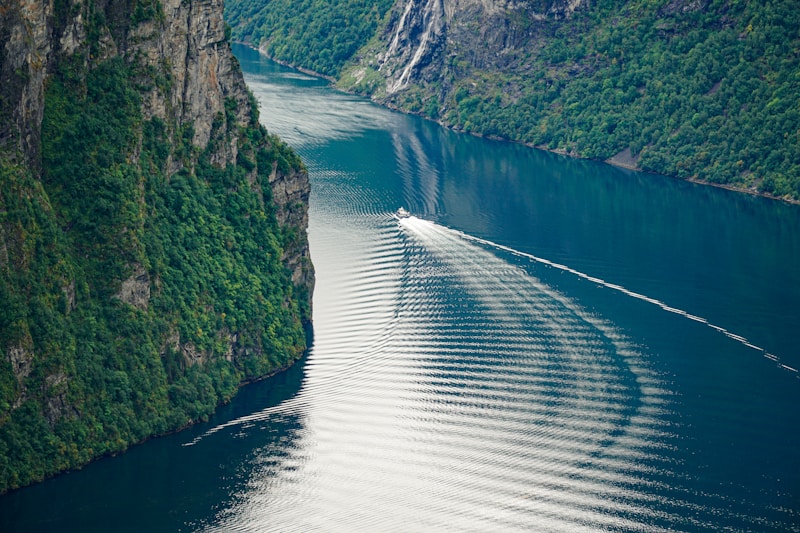
Cruise the Norwegian Fjords
Sail through dramatic cliff-lined waterways carved by glaciers.

Visit Lake Bled
Row to a fairytale church on an island in the Julian Alps.
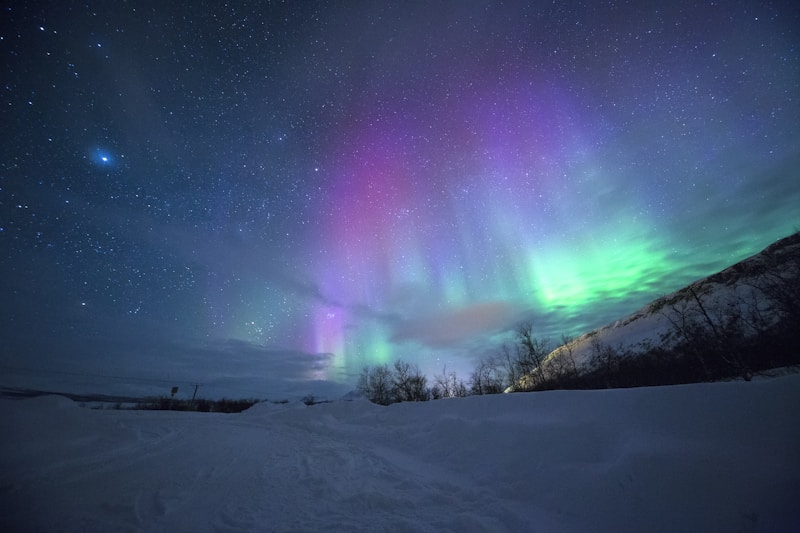
See the Northern Lights
Witness the magical aurora borealis dancing across the night sky.
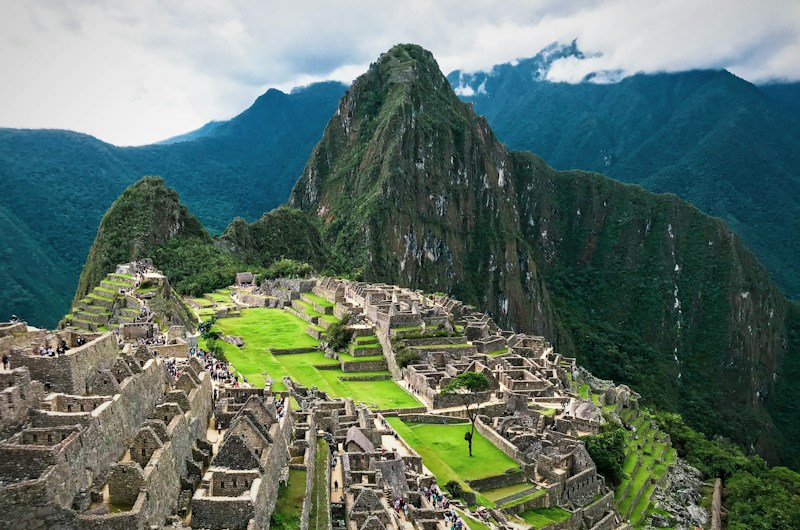
Visit Machu Picchu
Explore the ancient Incan citadel perched high in the Andes Mountains.