Visit Lake Bled
From $600

At a Glance
$600+
2-4 days
Slovenia
May-September
About This Experience
Lake Bled exists in the improbable space where reality meets fairy tale—an emerald lake surrounded by forested hills, a tiny island bearing a white church reached only by traditional wooden boats, a medieval castle clinging to a cliff 130 meters above the water, and the Julian Alps providing a backdrop that shifts from green to white with the seasons. Slovenia's most famous destination has appeared on postcards and travel magazines for over a century, yet the actuality delivers everything the images promise. This is a place where natural beauty and human construction achieved a harmony that photographs cannot exaggerate. The island draws immediate attention, the Church of the Assumption standing alone on its small patch of land, its bell tower visible from everywhere around the lake. Reaching the island requires either hiring a pletna—the traditional wooden boats rowed by standing oarsmen—or renting your own rowboat for the crossing. The pletna tradition dates back centuries, the boats now operated by families who've passed the rights through generations. The church interior, rebuilt after an earthquake in the 17th century, contains baroque frescoes and the famous Wishing Bell that tourists ring after climbing the 99 steps from the landing. Legend promises that those who ring the bell will have their wishes granted, and the queue of bell-ringers suggests many take the legend seriously. The castle, perched on the cliff above the northern shore, has overlooked the lake since the 11th century, though most current structures date from later periods. The climb or drive rewards with museum displays on the lake's history, a printing press demonstrating medieval techniques, and wine cellar tastings of Slovenian varietals. The views from the ramparts—lake and island spread below, mountains rising beyond—provide perspectives that ground-level walks cannot match. The castle restaurant offers the scenery at dinner prices. The 6-kilometer path around the lake takes about two hours at a strolling pace, with viewpoints that reveal different perspectives of the island and castle. The most photographed spot—the view from Mala Osojnica, a small hill reached by a steep 20-minute climb—captures the postcard composition with lake, island, and mountains aligned. The path itself alternates between forest shade and lakeside exposure, with opportunities for swimming at designated areas during summer months when the water warms enough for comfortable immersion. The Bled cream cake (kremšnita) has achieved status as an obligatory experience—layers of vanilla custard and whipped cream between sheets of pastry, created in the 1950s by a local pastry chef and now served at virtually every establishment around the lake. The Park Hotel claims original rights to the recipe; whether this matters when you're eating another version is a personal judgment. The cake is rich enough that one slice exceeds most caloric budgets, but visiting Bled without trying it feels incomplete. The surrounding region extends the alpine experience. The Vintgar Gorge, about 4 kilometers from Bled, provides a boardwalk along the Radovna River through a 1.6-kilometer limestone canyon, waterfalls and emerald pools appearing at intervals along the walk. The Julian Alps proper, accessible via the Vršič Pass, offer high-altitude scenery and hiking trails for those seeking more challenging terrain. Lake Bohinj, larger and less developed than Bled, provides alternatives for those finding Bled too crowded or commercial. The tourism development around Bled represents both opportunity and challenge. The lake's fame has brought hotels, restaurants, and services that make visiting comfortable, but it has also brought crowds that diminish the tranquility the setting suggests. Summer weekends and August generally see maximum visitation; early morning, late evening, and shoulder seasons preserve more of the peace that the landscape inspires. Staying overnight rather than day-tripping allows experiencing the lake when tour buses have departed. The practical considerations include Bled's accessibility—Ljubljana airport is about 35 kilometers away, the town itself about 55 kilometers from the capital, making it a feasible day trip or a base for broader exploration. Accommodation ranges from lakeside luxury to modest pensions in the surrounding area. Slovenia uses the euro, speaks Slovene (but English widely), and maintains the safety and efficiency that characterized it even as part of Yugoslavia. Lake Bled earned its fame by being genuinely beautiful in ways that resist overstatement. The island, the castle, the mountains, the emerald water—these elements arrange themselves into compositions that seem designed rather than natural. They are natural, which is precisely why millions of visitors have made this small Slovenian lake one of Europe's essential destinations.
Cost Breakdown
Estimated costs can vary based on location, season, and personal choices.
Budget
Basic experience, economical choices
Mid-Range
Comfortable experience, quality choices
Luxury
Premium experience, best options
Difficulty & Requirements
Perfect for beginners. Minimal preparation needed.
Physical Requirements
Minimal (rowing optional)
Tips & Advice
Rent a rowboat (pletna) to the island
Ring the wishing bell in the church
Walk or cycle around the lake
Hike to Ojstrica viewpoint at sunrise
Try the famous Bled cream cake
Community Discussion
Ask questions, share tips, or read experiences from others.
View Discussions Start DiscussionShare This Experience
Quick Summary
- Category Travel
- Starting Cost $600
- Time Needed 2-4 days
- Best Season May-September
- Difficulty Easy
You Might Also Like
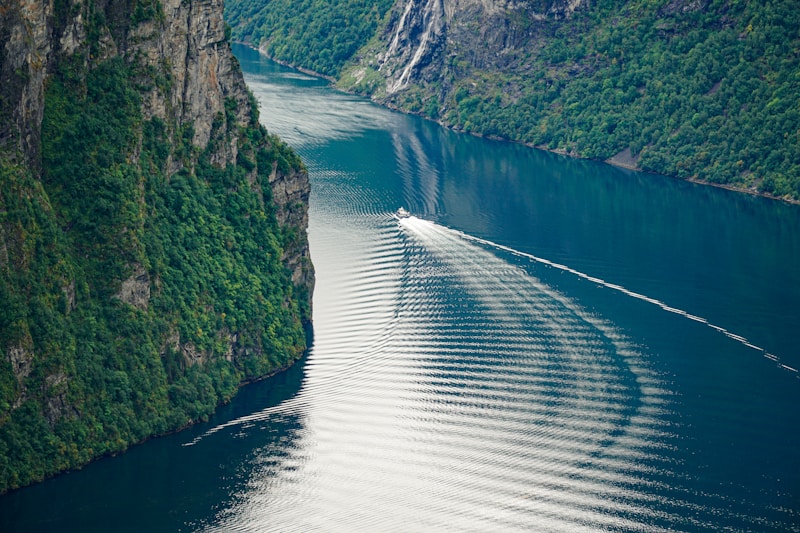
Cruise the Norwegian Fjords
Sail through dramatic cliff-lined waterways carved by glaciers.

Explore the Scottish Highlands
Journey through misty mountains, ancient castles, and legendary lochs.
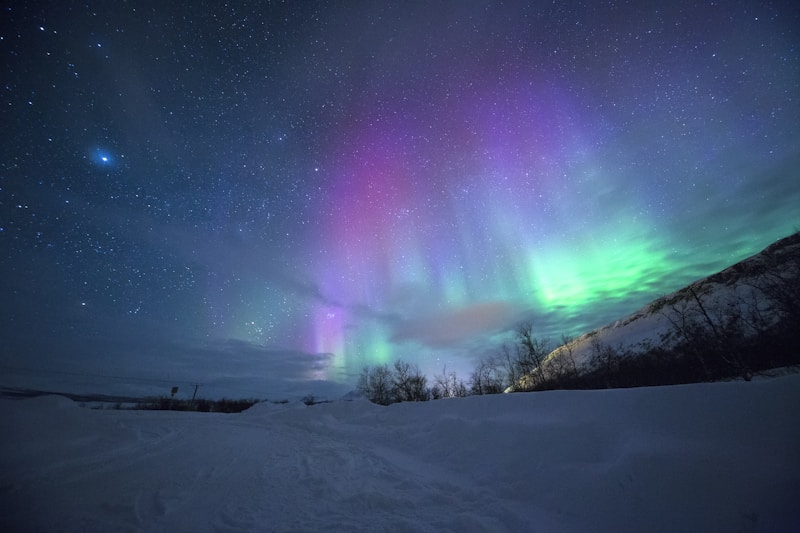
See the Northern Lights
Witness the magical aurora borealis dancing across the night sky.
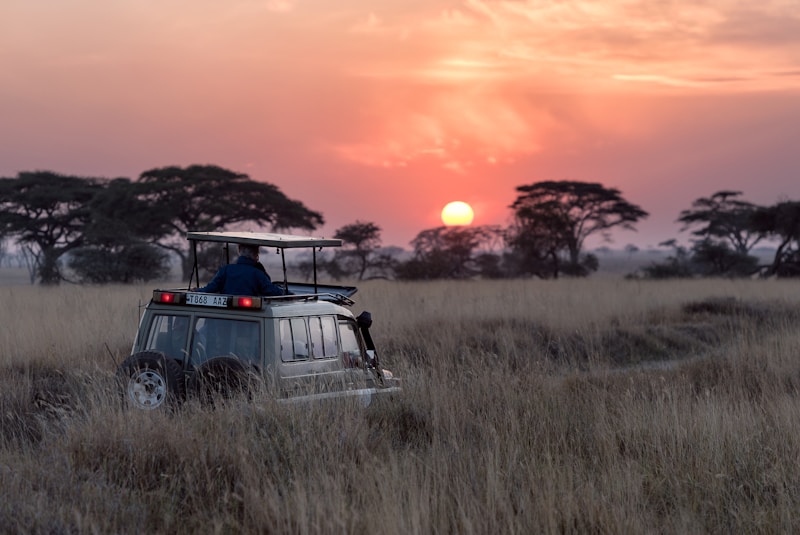
Go on an African Safari
Witness the Big Five and the great migration in their natural habitat.