Go on a Wilderness Horse Trek
From $300
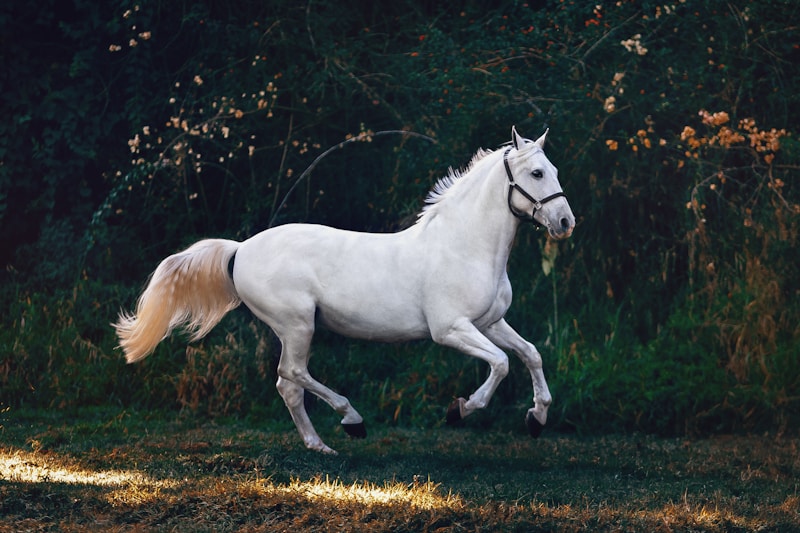
Go on a Wilderness Horse Trek
Explore backcountry on horseback like explorers of old.
At a Glance
$300+
3-10 days
Montana, Patagonia, Mongolia, Iceland
Summer and fall
About This Experience
Wilderness horse treks restore a mode of travel that humans practiced for millennia before engines made it obsolete—the partnership between rider and horse that opened continents, fought wars, and established the American West. Over days of riding, the horse beneath you transforms from transportation into companion: you learn its rhythms, its preferences, its communication through ear position and gait; it learns yours, anticipating the shifts of weight that signal turns, stops, and acceleration. The pace—faster than walking but slow enough to observe—creates a quality of attention that motorized travel eliminates. The destinations for serious horse trekking cluster where terrain favors mounted travel. Mongolia offers the most authentic experience: the nomadic culture that raised Genghis Khan's empire still practices horseback life, and multi-week treks across the steppe follow routes that have changed little in centuries. The American West provides more comfortable infrastructure across landscapes familiar from cinema: Wyoming's Tetons, Montana's Bob Marshall Wilderness, Colorado's high country. Patagonia combines South American gaucho culture with spectacular mountain scenery. Iceland's volcanic landscapes suit its small, sturdy horses. Each destination shapes the experience through terrain, climate, and cultural context. The riding skills required vary by operation. Some treks accommodate complete beginners, placing them on experienced horses that know the trails and require minimal guidance. Others expect competent riders who can handle challenging terrain and spirited horses. The longer and more remote the expedition, the more skill typically required—a week in wilderness leaves limited options for dealing with a rider who can't manage their mount. Honest self-assessment during booking prevents misery for both rider and horse. The physical demands center on the riding position. Hours in a saddle stress muscles that other activities don't address: inner thighs from gripping, lower back from absorbing motion, core from maintaining balance. Even experienced riders often finish day one of a multi-day trek sore in places they'd forgotten existed. The soreness diminishes as adaptation occurs; by day three or four, the body has usually adjusted. Breaking in this adaptation before a major trek—riding sessions in preceding weeks—makes the trip more enjoyable. The Western versus English saddle question matters more than non-riders might expect. Western saddles, developed for working cowboys who spent all-day in them, provide security and comfort for long rides. The horn provides a grip point (though skilled riders rarely use it); the deep seat keeps you positioned correctly; the stirrups accept various footwear. English saddles allow closer communication with the horse but offer less inherent stability. Most wilderness treks in the Americas use Western saddles; European and Asian alternatives vary. The horse-human bond that develops over days differs from what riding lessons or occasional trail rides can provide. You groom the horse, feed it, learn its individual personality, and develop mutual understanding that improves riding quality. Some riders discover emotional connection that surprises them—the horse becomes something between vehicle, companion, and teacher. This relationship aspect often becomes what participants remember most, beyond the landscapes traveled. The camping component of multi-day treks adds wilderness skills to the equestrian experience. Tents or yurts, campfire cooking, the rhythms of making and breaking camp—these elements create adventure distinct from returning to lodges at day's end. The horses require their own care: unpacking, feeding, watering, checking for injuries or issues. The responsibility builds appreciation for what it meant to depend on horses before alternatives existed. The environmental immersion distinguishes horse trekking from mechanized alternatives. You smell the sage or pine; you feel temperature changes as altitude shifts; you hear the sounds that engines would mask. The pace allows wildlife observation—animals that would flee at engine noise sometimes accept horse presence. The quiet passage through landscape creates intimacy that other travel modes cannot match.
Cost Breakdown
Estimated costs can vary based on location, season, and personal choices.
Budget
Basic experience, economical choices
Mid-Range
Comfortable experience, quality choices
Luxury
Premium experience, best options
Difficulty & Requirements
Requires some preparation, skills, or resources.
Physical Requirements
Core strength, sitting endurance
Prerequisites
- Basic riding experience helpful but not required
Tips & Advice
Mongolia offers the most authentic experience
Break in riding muscles before a long trip
Western saddles are more comfortable for long rides
Chaps protect your legs
The horse-human bond develops over days
Related Topics
Community Discussion
Ask questions, share tips, or read experiences from others.
View Discussions Start DiscussionShare This Experience
Quick Summary
- Category Adventure
- Starting Cost $300
- Time Needed 3-10 days
- Best Season Summer and fall
- Difficulty Challenging
Explore More
You Might Also Like
Soak in Remote Hot Springs
Find and soak in natural hot springs in the wilderness.
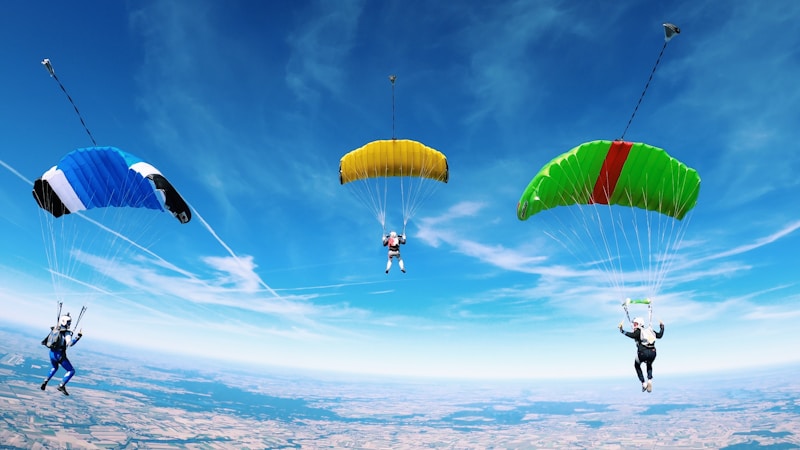
Go Skydiving
Experience the ultimate adrenaline rush by jumping from a plane.

Bungee Jump
Take the leap and freefall before bouncing back.
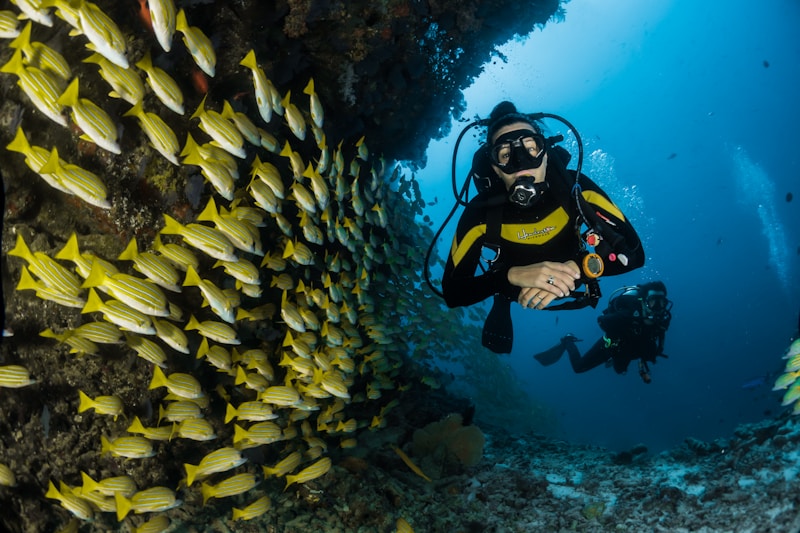
Get Scuba Certified
Unlock the underwater world with your open water certification.