Eat Pizza in Naples
From $10
At a Glance
$10+
1 hour
Naples, Italy
Year-round
About This Experience
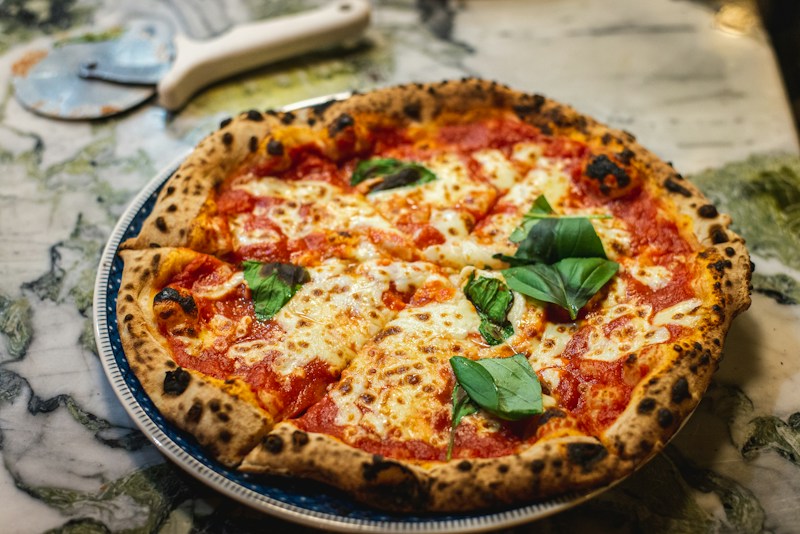
Naples invented pizza, and eating it in its birthplace reveals why this seemingly simple dish has conquered the world while remaining imperfectly replicated elsewhere. True Neapolitan pizza achieves perfection through restraint—just dough, tomatoes, cheese, and basil—prepared by specialists who have elevated these humble ingredients into one of gastronomy's most satisfying experiences. The soft, charred, almost soupy center and the puffy, leopard-spotted cornicione (crust) of properly made Neapolitan pizza differ dramatically from the crispier, more structured American interpretations most people know. The origins of pizza as we recognize it trace to Naples in the late 18th and early 19th centuries, when tomatoes—initially suspected of being poisonous—finally gained acceptance in Italian cooking. The classic Margherita, with its red tomatoes, white mozzarella, and green basil representing the Italian flag, was supposedly created for Queen Margherita's visit to Naples in 1889, though versions existed before this royal endorsement. What matters is that this combination achieved perfect expression here and has resisted meaningful improvement ever since. The ingredients for authentic Neapolitan pizza are strictly defined by tradition and, since 2017, by UNESCO Intangible Cultural Heritage recognition. The dough contains only flour, water, salt, and yeast—no sugar, no oil, no enrichments—mixed and fermented to develop flavor and extensibility. San Marzano tomatoes, grown in volcanic soil near Mount Vesuvius, provide the sauce, their natural sweetness and low acidity superior to alternatives. Mozzarella must be either fior di latte (cow's milk) or the more luxurious mozzarella di bufala from water buffalo, both fresh and packed in liquid rather than the dry, pre-shredded versions used elsewhere. Fresh basil and a drizzle of olive oil complete the composition. The wood-fired oven represents perhaps the most critical and hardest-to-replicate element. Neapolitan pizza ovens maintain temperatures around 900 degrees Fahrenheit, cooking pizzas in approximately ninety seconds—far hotter and faster than home ovens can achieve. This intense heat creates the characteristic charring, puffs the crust, and sets the toppings while keeping the center soft. The dome shape reflects heat onto the pizza's surface while the floor cooks from below. Pizzaiolos rotating pies with long peels demonstrate skill developed through years of practice, reading each pizza's progress and adjusting position to ensure even cooking. Da Michele and Sorbillo represent two of Naples' most legendary pizzerias, though dozens of excellent options exist throughout the city. Da Michele, operating since 1870, serves only two pizzas—Margherita and Marinara (tomato, garlic, oregano, olive oil)—insisting that nothing else merits production. The single-mindedness produces consistent excellence, with lines snaking outside at all hours. Sorbillo, run by generations of the same family in the city's historic center, offers more variety while maintaining traditional standards, with the current generation's innovations building on rather than abandoning classical technique. The experience of eating pizza in Naples differs from American pizzeria dining. Pizzas arrive whole—no slices here—sized for individual consumption rather than sharing. Neapolitans fold their pizzas into quarters and eat them with hands, the soft center requiring some technique to avoid dripping. Eating at Da Michele means perching on crowded benches, your pizza arriving within minutes of ordering, the pace designed for consumption rather than lingering. More formal establishments offer table service, but the food itself maintains consistent character. Beyond the famous names, neighborhood pizzerias throughout Naples serve excellent pizza at astonishing prices—often under ten euros for a complete pie. These local spots, serving regulars rather than tourists, sometimes achieve quality rivaling the legendary establishments without the lines or crowds. Walking through any Naples neighborhood reveals pizza shops on nearly every block, the competition maintaining standards that benefit everyone. The Neapolitan pizza tradition has spawned certified associations and international competitions, but the experience of eating pizza in Naples itself cannot be exported. The specific flour, the specific tomatoes, the water, the oven traditions, and the accumulated expertise of generations combine to produce something irreplaceable. Excellent Neapolitan-style pizza exists in cities worldwide, made by dedicated pizzaiolos who have trained in Naples or studied its methods intensively, but the original remains the standard against which all others are measured. The city itself enriches the pizza experience. Naples is chaotic, loud, sometimes challenging, and absolutely alive with food culture beyond pizza. The espresso tradition rivals Milan's, the pastries compete with Sicily's, and the street food—from fried pizza (pizza fritta) to cuoppo (cones of fried seafood)—deserves exploration. But pizza remains the crown jewel, the dish that defines the city and rewards every visitor willing to join the line, take a number, and experience perfection for the price of a coffee elsewhere.
Cost Breakdown
Estimated costs can vary based on location, season, and personal choices.
Budget
Basic experience, economical choices
Mid-Range
Comfortable experience, quality choices
Luxury
Premium experience, best options
Difficulty & Requirements
Perfect for beginners. Minimal preparation needed.
Physical Requirements
None
Tips & Advice
Da Michele and Sorbillo are legendary
Margherita and Marinara are the classics
Pizza in Naples costs just a few euros
Eat it folded, standing up, like a local
The simplicity is the beauty
Community Discussion
Ask questions, share tips, or read experiences from others.
View Discussions Start DiscussionShare This Experience
Quick Summary
- Category Food & Drink
- Starting Cost $10
- Time Needed 1 hour
- Best Season Year-round
- Difficulty Easy
Explore More
You Might Also Like
Make Fresh Pasta in Italy
Learn to make pasta by hand with Italian nonnas.
Dine at a Michelin-Starred Restaurant
Experience haute cuisine at its finest.
Wine Tasting in Napa Valley
Sample world-class wines in California's premier wine region.
Take a Street Food Tour
Discover authentic local flavors through street vendors.