Eat Pho in Vietnam
From $3
At a Glance
$3+
30-45 minutes
Vietnam (Hanoi for pho)
Year-round
About This Experience
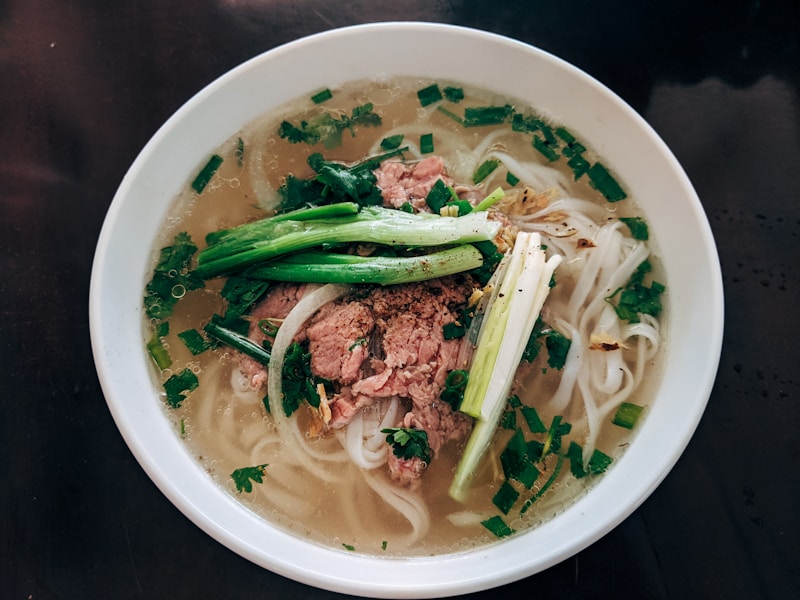
Vietnamese pho transcends soup to become national identity expressed through food—a dish that survived war, colonialism, and exile to represent Vietnamese cuisine worldwide while remaining deeply rooted in the country where it evolved. Eating pho in Vietnam reveals depth impossible to experience elsewhere: the hours-long simmered broths, the regional variations between north and south, the freshness of herbs and the crispness of vegetables, all served in contexts ranging from pre-dawn street stalls to family tables where the same recipes have been prepared for generations. The broth defines pho and distinguishes exceptional from ordinary. Traditional pho bo (beef pho) begins with bones—beef knuckles, oxtails, marrow bones—simmered for six hours or more to extract collagen and flavor. Charred onions and ginger contribute sweetness and depth. Star anise, cinnamon, cloves, and coriander seed add the distinctive spice notes that make pho immediately recognizable. This slow extraction cannot be replicated through shortcuts; restaurants that simmer overnight produce broths obviously superior to those using concentrates or reduced cooking times. The divide between northern pho (Hanoi style) and southern pho (Saigon style) represents a fundamental split in Vietnamese cuisine. Northern pho presents broth in pure form—clear, deeply flavored, served with minimal garnish and relatively narrow rice noodles. Southern pho embraces abundance: sweeter broth, piled garnishes of basil, bean sprouts, lime wedges, and hoisin and sriracha sauces that northerners consider sacrilege. Neither style is more authentic; each reflects regional preferences developed over decades. Tasting both reveals how geography shapes cuisine even within a single country. Hanoi claims pho's birthplace and remains its spiritual home. The city's pho shops have operated for generations, with specific vendors commanding legendary status. Pho Gia Truyen, operating since the 1940s, serves only pho bo from a cramped shop where the same family has ladled broth for eighty years. Pho Thin uses a char-grilled beef technique that creates distinctive smoky notes. Eating pho for breakfast in Hanoi—joining crowds of office workers at tiny plastic stools before starting the day—captures Vietnamese food culture at its most quotidian and essential. Saigon's pho scene reflects the city's abundance and southern generosity. Shops pile tables with garnish plates, expecting diners to customize bowls extensively. The sweeter broth balances heat from chili better than northern austerity. The variety of cuts—from rare beef that cooks in the broth to brisket to tripe to tendon—exceeds northern offerings, reflecting southern bounty and the population's diversity following reunification. The ritual of eating pho involves more than simple consumption. The garnish plate demands attention: tearing basil leaves to release oils, squeezing lime precisely, deciding whether and how much hoisin to add. The first sip of broth, often taken with a spoon before disturbing the noodles, tests the bowl's quality. Slurping noodles with chopsticks while using the spoon to deliver broth creates rhythm that becomes automatic with practice. These actions, performed unconsciously by Vietnamese diners, must be learned by visitors—the learning itself contributing to the experience. The price of excellent pho in Vietnam shocks visitors accustomed to American pho shop prices. A bowl that might cost twelve dollars abroad often costs less than two dollars at Vietnamese street stalls, with quality inversely proportional to price—the cheapest local shops often serve the best pho, their customer base demanding excellence and their decades of practice delivering it. This accessibility allows eating pho daily, exploring different shops and styles without financial constraint. Beyond the famous beef pho, regional variations await discovery. Pho ga (chicken pho) offers lighter alternative, its broth built from poultry rather than beef bones. Bun bo Hue, though technically not pho, presents a spicier, lemongrass-scented noodle soup from central Vietnam. Cao lau from Hoi An uses distinctive ash-water noodles available nowhere else. These variants expand understanding of Vietnamese noodle soup traditions that pho, despite its fame, represents only partially.
Cost Breakdown
Estimated costs can vary based on location, season, and personal choices.
Budget
Basic experience, economical choices
Mid-Range
Comfortable experience, quality choices
Luxury
Premium experience, best options
Difficulty & Requirements
Perfect for beginners. Minimal preparation needed.
Physical Requirements
None
Tips & Advice
Hanoi is the pho capital - start there
Breakfast pho is traditional
North and South have different styles
Add herbs and condiments yourself
The best pho is often at simple street stalls
Related Topics
Community Discussion
Ask questions, share tips, or read experiences from others.
View Discussions Start DiscussionShare This Experience
Quick Summary
- Category Food & Drink
- Starting Cost $3
- Time Needed 30-45 minutes
- Best Season Year-round
- Difficulty Easy
You Might Also Like
Take a Street Food Tour
Discover authentic local flavors through street vendors.
Have a Farm-to-Table Experience
Dine on food harvested from the farm around you.
Eat Authentic Ramen in Japan
Slurp perfect ramen in its homeland.
Dine at a Michelin-Starred Restaurant
Experience haute cuisine at its finest.