See the Pyramids of Giza
From $800
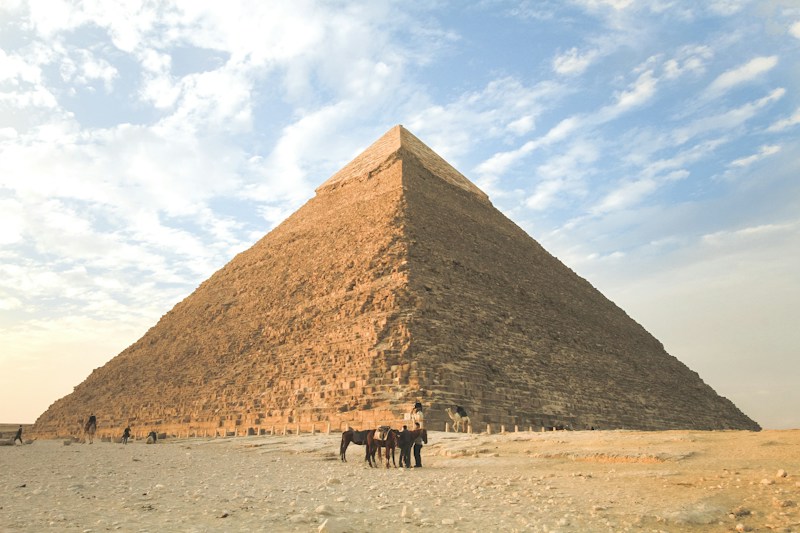
See the Pyramids of Giza
Stand before the last remaining Wonder of the Ancient World.
At a Glance
$800+
3-5 days
Cairo, Egypt
October to April
About This Experience
The Pyramids of Giza have watched empires rise and fall for over four and a half millennia. When Julius Caesar visited, they were already older than the Roman Republic. When Napoleon stood before them, they had survived two and a half thousand years longer than his empire would last. When you stand before them today, you confront the only surviving Wonder of the Ancient World, monuments so precise in their construction and so monumental in their ambition that they continue to inspire awe despite everything we've built since. The Great Pyramid of Khufu (Cheops) remains the most impressive. Originally standing 146 meters tall—reduced to 138 meters by the loss of its outer casing stones—it was the world's tallest human-made structure for nearly 4,000 years. The precision of its construction defies casual explanation: the base is level to within 2.1 centimeters across 230 meters, and its alignment to true north deviates by only 3/60th of a degree. Over 2.3 million stone blocks, averaging 2.5 tons each, were cut, transported, and placed with such accuracy that a knife blade cannot fit between many of them. The pyramid complex as a whole tells a family story. Khufu's pyramid dominates, but his son Khafre built the second pyramid along with the Great Sphinx, and Khufu's grandson Menkaure completed the trio with the smallest of the three main pyramids. Subsidiary pyramids for queens, temples, causeways, and mastaba tombs for nobles cluster around the main structures, revealing the social hierarchy that concentrated such wealth and labor in service of royal eternity. The Sphinx presents its own mysteries. Carved from a single limestone bedrock outcropping left over from quarrying pyramid blocks, this human-headed lion measures 73 meters long and 20 meters high. Its exact age remains debated—some suggest it predates the pyramids significantly—but the traditional view attributes it to Khafre, whose face it may represent. The missing nose, contrary to popular myth, was probably removed by iconoclasts centuries ago rather than by Napoleon's artillery. Entering the Great Pyramid offers a different perspective than viewing from outside. A narrow ascending passage leads to the Grand Gallery, a corbelled corridor 47 meters long and 8 meters high that seems impossibly sophisticated for its age. Beyond lies the King's Chamber, an austere room of polished granite containing only an empty sarcophagus. The air hangs heavy, the silence is profound, and the weight of the stone pressing down from above creates an almost physical sensation. Whether anything mystical occurs here depends on your inclinations, but the engineering achievement is undeniable. The Giza Plateau sits at Cairo's western edge, and this context matters. The pyramids don't exist in pristine desert isolation—they rise above the sprawling city, with hotels and Pizza Huts visible from certain angles, with the urban sprawl of 20 million people pressing against the ancient boundaries. Some find this jarring; others see it as testament to the continuity of human presence in this landscape across five thousand years. Either way, manage expectations: the experience is not of remote antiquity but of ancient monuments in active dialogue with the modern world. The tourism infrastructure presents challenges. Touts, would-be guides, and camel operators can be aggressive in their pursuit of tourist dollars. Official guides hired through reputable agencies provide better experiences than random approaches promise. The camel and horse rides available around the complex can be pleasant or problematic depending on the operator. The sound and light show, while cheesy, does allow evening access when the crowds thin and the lighting creates drama. The broader Egyptian context enriches any visit. The Egyptian Museum in Tahrir Square houses the treasures that filled these tombs before ancient and modern looters did their work—including Tutankhamun's golden mask and the mummies of the great pharaohs. Islamic Cairo offers centuries of medieval architecture and the massive Khan el-Khalili bazaar. The Nile itself, flowing through the city that Alexander the Great founded, connects Cairo to the longer Egyptian story that the pyramids introduce. The construction methods of the pyramids remain partially mysterious despite extensive research. We know the workers were not slaves but a rotating workforce of drafted laborers, possibly numbering 20,000-30,000 at peak periods, supported by an administrative city that fed and housed them. We know they used copper tools, wooden sledges, ramps of some design, and extraordinary organizational skill. But exactly how they achieved the precision that still amazes engineers—whether through simple geometry, lost techniques, or capabilities we underestimate—remains debated. Standing on the Giza Plateau at dawn, watching the sun rise over Cairo and illuminate the pyramids' ancient faces, you feel connected to something that transcends any single lifetime. The pharaohs who built these monuments intended them as eternal houses, vehicles for immortality. They succeeded in ways they couldn't have imagined—not through religious resurrection but through the simple fact that four and a half thousand years later, people still make pilgrimages to stand before their achievements. The pyramids ask nothing of us but to witness them, and in witnessing, to contemplate what humans can create when they commit everything to a vision.
Cost Breakdown
Estimated costs can vary based on location, season, and personal choices.
Budget
Basic experience, economical choices
Mid-Range
Comfortable experience, quality choices
Luxury
Premium experience, best options
Difficulty & Requirements
Accessible for most people with basic planning.
Physical Requirements
Walking in heat
Prerequisites
- Egyptian visa (available on arrival for many nationalities)
Tips & Advice
Hire an official guide to avoid scams
Go inside the Great Pyramid early morning
The view from the panoramic viewpoint is best
Camel rides are fun but negotiate hard
Combine with Egyptian Museum and Islamic Cairo
Related Topics
Community Discussion
Ask questions, share tips, or read experiences from others.
View Discussions Start DiscussionShare This Experience
Quick Summary
- Category Travel
- Starting Cost $800
- Time Needed 3-5 days
- Best Season October to April
- Difficulty Moderate
You Might Also Like

Visit Petra, Jordan
Discover the ancient rose-red city carved into desert cliffs.
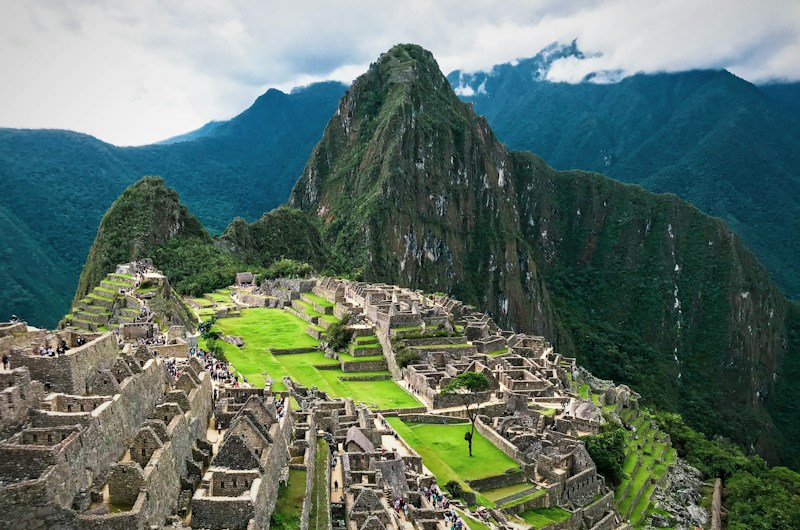
Visit Machu Picchu
Explore the ancient Incan citadel perched high in the Andes Mountains.
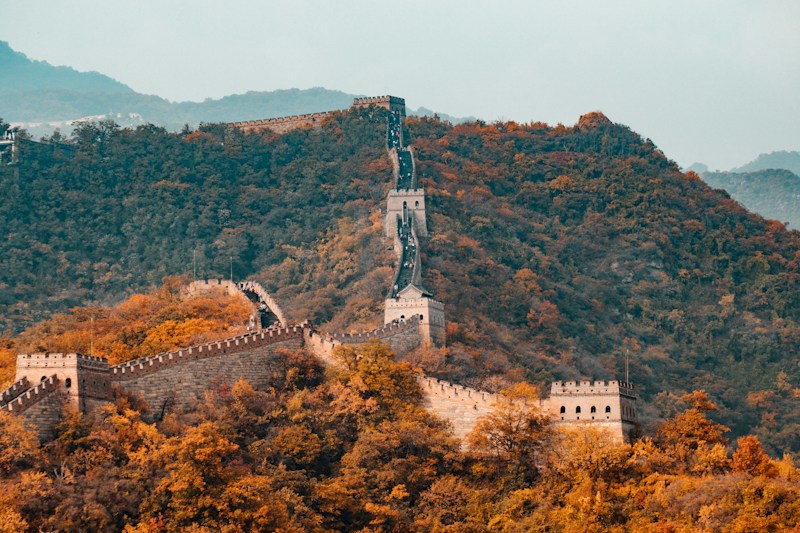
Walk the Great Wall of China
Trek along one of the world's most impressive architectural feats.
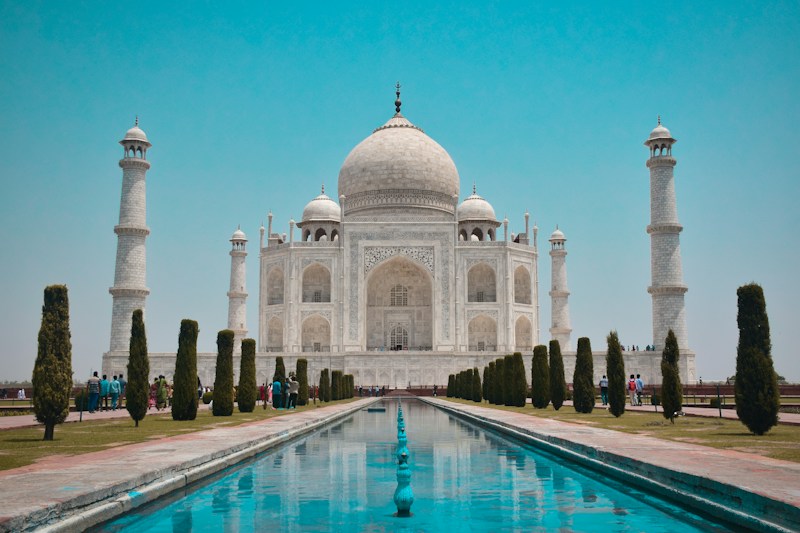
Visit the Taj Mahal
Witness the world's most beautiful monument to love at sunrise.