Visit the Taj Mahal
From $600
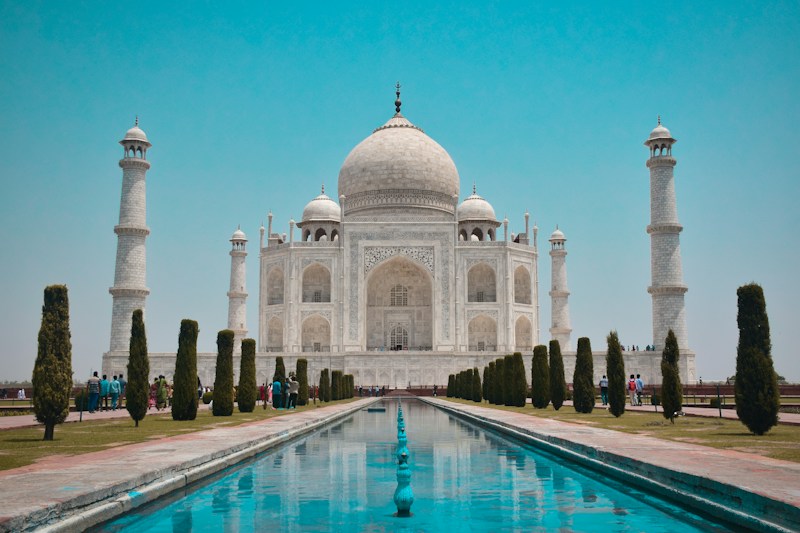
Visit the Taj Mahal
Witness the world's most beautiful monument to love at sunrise.
At a Glance
$600+
2-3 days
Agra, India
October to March
About This Experience
The Taj Mahal exists in a category of its own—a building so perfectly proportioned, so exquisitely detailed, so luminous in the Indian light that it transcends architecture and becomes something closer to poetry frozen in white marble. Millions of photographs have tried to capture it; none succeed completely. The Taj demands your presence, your slow approach through the great gate, your gradual comprehension of its scale and perfection. Only then does the cliché dissolve and the reality emerge: this is one of humanity's supreme achievements, built for love and standing as a monument to what we can create when resources and talent align. Emperor Shah Jahan commissioned this mausoleum following the death of his beloved wife Mumtaz Mahal in 1631. She died giving birth to their fourteenth child, and Shah Jahan's grief found expression in an architectural project that would occupy 20,000 workers for over two decades. The Taj Mahal wasn't merely a tomb but a vision of paradise on earth, incorporating Islamic, Persian, and Indian architectural traditions into something unprecedented. The approach is carefully orchestrated. You enter through the red sandstone great gate, and the Taj Mahal appears framed by the arch—distant, symmetrical, impossibly perfect. The long reflecting pool extends before you, doubling the monument in its still waters. As you walk the tree-lined pathway, the building seems to grow while remaining somehow weightless, an illusion created by the way the dome floats above the platform and the minarets frame but don't touch the central structure. The white marble of the Taj isn't merely white. In the rose-gold light of sunrise, it glows with warmth. At midday, it blazes against the blue Indian sky. At sunset, it turns orange and pink. On full moon nights, when the site opens for limited viewings, it seems to glow from within, ethereal and dreamlike. This chromatic quality isn't accidental—the Mughal architects understood how light transforms marble, and they chose this material precisely for these effects. The detail work rewards close inspection. Semi-precious stones—lapis lazuli, jade, crystal, turquoise, sapphire—are inlaid into the marble in intricate floral patterns, a technique called pietra dura borrowed from Italian craftsmen. The calligraphy surrounding the entry portals is not painted but carved and inlaid in black stone, with subtle optical corrections making letters appear uniform despite their varying heights. The marble screens surrounding the cenotaphs are carved so finely that sunlight passes through in dappled patterns. Every surface reveals new details the closer you look. The interior, while restricted in access to protect the monument, contains the cenotaphs of Mumtaz Mahal and Shah Jahan himself—he was interred here after his death, the only asymmetrical element in the entire complex. The actual graves lie in a chamber below, following Islamic tradition. The acoustic properties of the interior dome create reverberations that carry a voice for several seconds, turning whispers into ethereal sounds. The surrounding complex deserves attention beyond the central mausoleum. The red sandstone mosque to the west functions as a working place of worship. The jawab (answer) to the east, identical in appearance, provides architectural balance. The charbagh (four-garden) design, representing the four gardens of paradise in Islamic tradition, uses water channels to divide the space into perfectly symmetrical quarters. The peripheral buildings, often ignored by visitors rushing toward the main tomb, display craftsmanship that would be headline attractions anywhere else. Visiting the Taj Mahal requires strategic timing. Sunrise remains the optimal choice—crowds are smaller, light is magical, and the temperature hasn't yet reached midday intensity. Arriving before the gates open at 6 AM positions you among the first visitors. Fridays close the site to tourists (the mosque remains active for prayer), so plan accordingly. The intense crowds of mid-morning through afternoon can diminish the experience significantly. The broader Agra context enriches understanding. The Agra Fort, Shah Jahan's primary residence just two kilometers away, contains the Musamman Burj—the marble octagonal tower where the emperor spent his final years under house arrest by his son Aurangzeb, gazing across the Yamuna River at his beloved wife's tomb. The "Baby Taj" (Itimad-ud-Daulah), built earlier and smaller, served as the architectural laboratory for techniques perfected in the Taj Mahal. These sites connect the Taj to its human story of love, ambition, power, and loss. The challenges of visiting are real. Agra's air pollution has stained the marble, prompting restoration efforts and vehicle restrictions. Scams target tourists aggressively around the site. The poverty visible from the Taj's minarets—the slums along the Yamuna River—creates dissonance with the monument's extravagance. These realities don't diminish the Taj Mahal's achievement but remind visitors of the complex contexts in which great art exists. What makes the Taj Mahal endure isn't merely its beauty but what it represents. This is a monument to love built by an emperor who possessed unlimited resources and used them to create something approaching perfection. The symmetry isn't just aesthetic—it represents the Islamic concept of paradise as a place of perfect balance. The white marble isn't just beautiful—it represents purity and the divine. The reflecting pools aren't just decorative—they double the monument and blur the boundary between earth and heaven. Standing before the Taj Mahal at sunrise, watching the marble transform from gray to gold to white as the light strengthens, you're witnessing not just a building but an idea—that love can transcend death, that beauty can conquer time, that humans can sometimes create things worthy of the emotions that drive them. The Taj Mahal is cliché precisely because it delivers on its promise: this is the most beautiful building on earth, and seeing it will change how you think about what we're capable of creating.
Cost Breakdown
Estimated costs can vary based on location, season, and personal choices.
Budget
Basic experience, economical choices
Mid-Range
Comfortable experience, quality choices
Luxury
Premium experience, best options
Difficulty & Requirements
Accessible for most people with basic planning.
Physical Requirements
Minimal
Prerequisites
- Indian visa
Tips & Advice
Visit at sunrise for best light and fewer crowds
Stay in a hotel with Taj views
Hire an official guide
Visit the Baby Taj (Itimad-ud-Daulah) too
Don't bring large bags
Related Topics
Community Discussion
Ask questions, share tips, or read experiences from others.
View Discussions Start DiscussionShare This Experience
Quick Summary
- Category Travel
- Starting Cost $600
- Time Needed 2-3 days
- Best Season October to March
- Difficulty Moderate
You Might Also Like
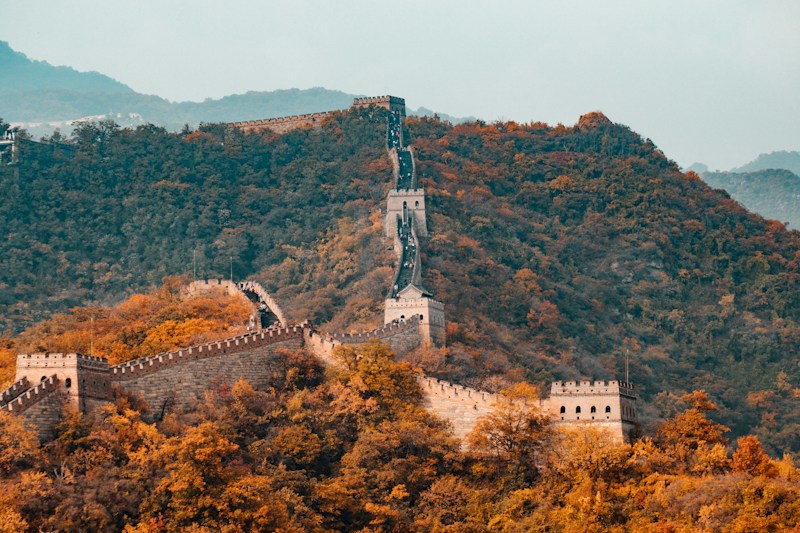
Walk the Great Wall of China
Trek along one of the world's most impressive architectural feats.
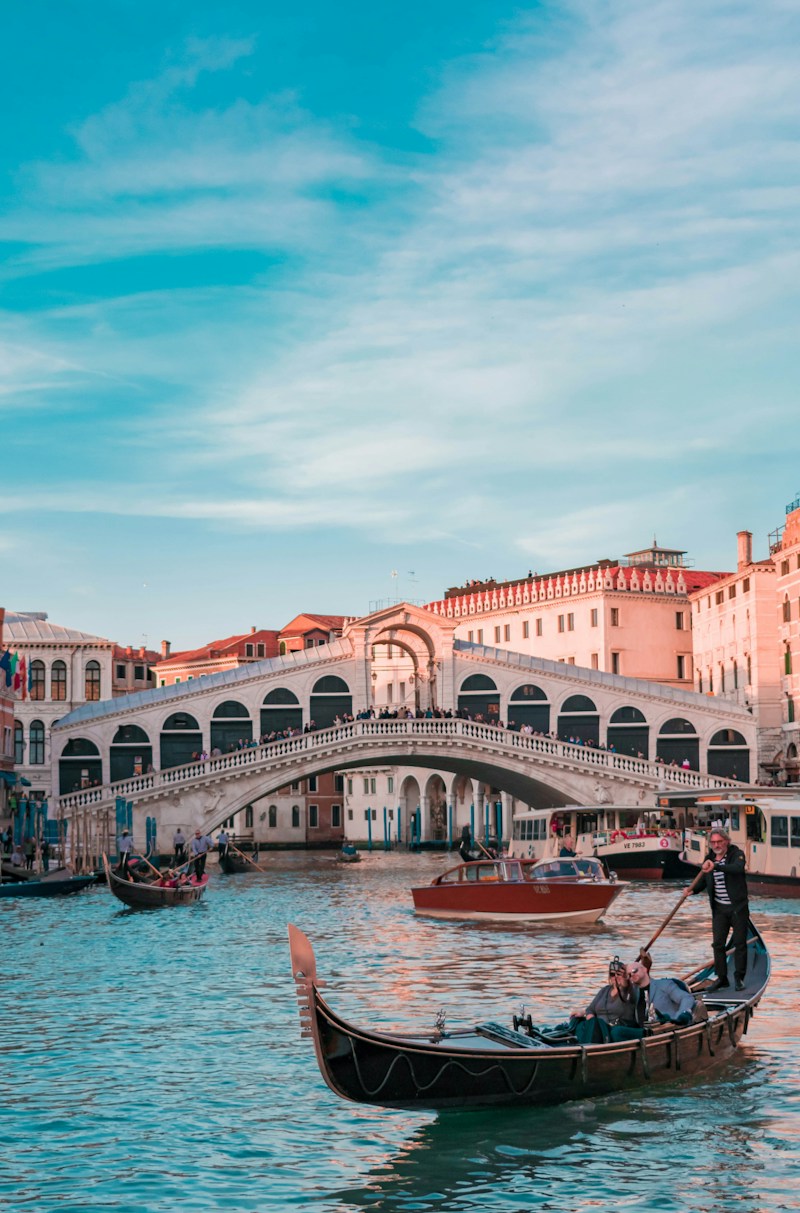
Get Lost in Venice
Wander the enchanting canals and hidden squares of the floating city.

Wander Through Prague
Explore the fairytale spires and cobblestone streets of the Golden City.

Visit Petra, Jordan
Discover the ancient rose-red city carved into desert cliffs.