SUP a Scenic Waterway
From $30

SUP a Scenic Waterway
Stand-up paddleboard through dramatic natural scenery.
At a Glance
$30+
2-4 hours
Anywhere with calm water
Summer
About This Experience
Stand-up paddleboarding transforms water surfaces into platforms for human-powered exploration, combining full-body exercise with nature immersion at a pace that allows appreciation of surroundings. The standing position provides elevated perspectives impossible from kayak or canoe seats, while the paddle's quiet stroke preserves the peace that motorized watercraft shatter. The learning curve proves gentler than most water sports—stable boards on calm water permit beginners to paddle productively within an hour—yet the skill ceiling extends high enough that dedicated practitioners develop for years. The iconic SUP destinations leverage water bodies where the surroundings justify the paddling effort. Lake Louise in the Canadian Rockies places paddlers on turquoise glacial water beneath peaks that define "spectacular." Moraine Lake nearby offers similar beauty with different mountain geometry. Lake Tahoe's clarity lets paddlers observe the bottom forty feet below. Lake Bled in Slovenia adds a castle and island church to alpine lake perfection. These destination paddles transform SUP from exercise into experience. The dawn paddle has become a ritual among serious stand-up paddlers. In the hour after sunrise, before wind ruffles water surfaces, lakes become mirrors. The board glides without resistance; reflections double the scenery; wildlife activity peaks as animals drink and hunt before human activity peaks. The early commitment—often meaning headlamp walks to put-in points—filters participants to those for whom the experience matters more than sleep. The fitness benefits of paddleboarding center on core engagement and full-body integration. Every stroke requires torso rotation; balance maintenance engages stabilizing muscles that gym equipment cannot target; the cardiovascular demands scale with effort from meditative cruising through race-pace exertion. The weight-bearing aspect, standing throughout the paddle, adds bone-density benefits that swimming and cycling lack. Hour-long paddles leave arms and shoulders noticeably fatigued; multi-hour adventures produce whole-body exhaustion. The board selection for different applications has developed into a substantial equipment category. All-around boards sacrifice specialty performance for versatility: stable enough for beginners, maneuverable enough for exploration, sized for owners of various weights and abilities. Touring boards prioritize straight-line efficiency for long-distance paddling. Yoga boards provide extreme stability for on-water practice. Racing boards sacrifice stability for speed. Inflatable boards trade performance for portability, expanding paddleboarding to travelers who cannot transport rigid boards. The sea caves and coastal explorations extend SUP beyond lake paddling into adventure territory. The Channel Islands off California provide sea cave access that only watercraft can reach. Croatia's Dalmatian coast offers caves, cliffs, and clear water. Portugal's Algarve coastline showcases eroded arches and grottos. These coastal paddles introduce marine navigation, weather assessment, and safety considerations that flatwater paddling doesn't require. The river SUP—distinct from whitewater SUP, which is an extreme discipline requiring specific skills—uses paddleboards to explore slow-moving waterways. The elevated view helps spot wildlife along banks; the standing position provides better visibility for navigation; the quiet approach allows closer wildlife encounters than other craft permit. River paddles add current-reading skills and upstream paddling fitness to the SUP repertoire. The community surrounding paddleboarding has grown rapidly as the sport's accessibility attracts participants who find other water sports intimidating. Group paddles, SUP yoga classes, and organized events create social dimensions. The equipment rental market makes destination paddling feasible without equipment transport. The Instagram appeal of sunset paddles and mirror-calm lakes has driven awareness that brings new paddlers to water continuously.
Cost Breakdown
Estimated costs can vary based on location, season, and personal choices.
Budget
Basic experience, economical choices
Mid-Range
Comfortable experience, quality choices
Luxury
Premium experience, best options
Difficulty & Requirements
Accessible for most people with basic planning.
Physical Requirements
Balance, core strength, swimming ability
Prerequisites
- Basic swimming
Tips & Advice
Start on calm, flat water
Lakes at dawn are glassy and magical
The fitness benefits are real
Inflatable boards are highly portable
Lake Louise, Moraine Lake, and Tahoe are iconic
Related Topics
Community Discussion
Ask questions, share tips, or read experiences from others.
View Discussions Start DiscussionShare This Experience
Quick Summary
- Category Adventure
- Starting Cost $30
- Time Needed 2-4 hours
- Best Season Summer
- Difficulty Moderate
You Might Also Like
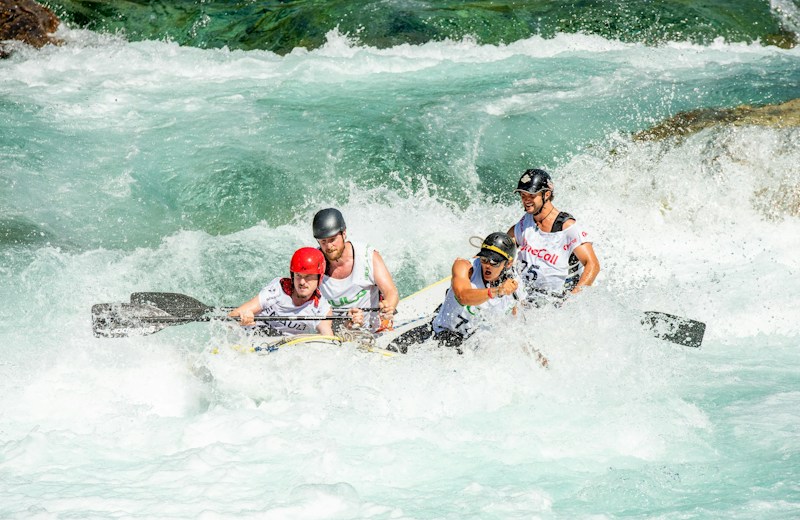
Go White Water Rafting
Navigate churning rapids on an inflatable raft.
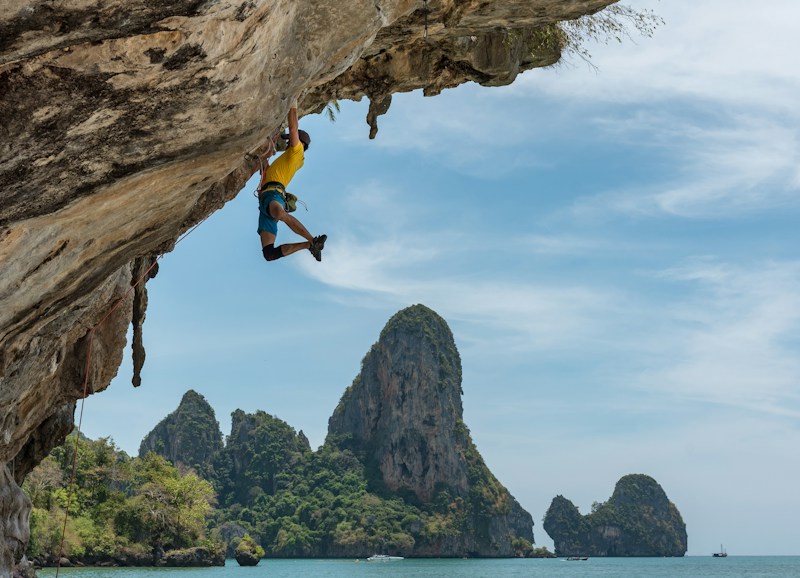
Learn Outdoor Rock Climbing
Scale real rock faces in nature's vertical playground.
Zip Line Through a Rainforest Canopy
Fly through the treetops of an ancient forest.

Swim in Bioluminescent Waters
Watch the water glow around you with each movement.