Swim the English Channel
From $3.0k
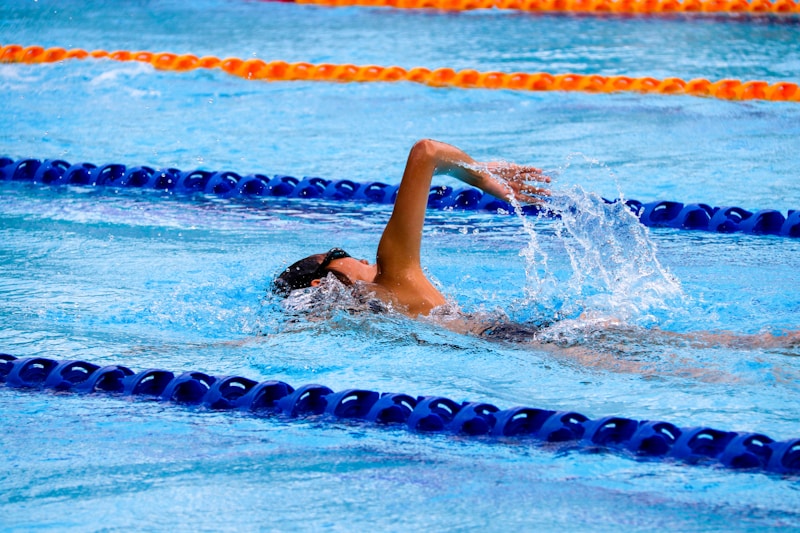
Swim the English Channel
Cross the 21-mile strait between England and France.
At a Glance
$3.0k+
12-24 hours crossing, 1-2 years training
Dover, UK to Cap Gris-Nez, France
July-September
About This Experience
Swimming the English Channel remains the defining challenge of marathon swimming—21 miles of cold water, strong currents, unpredictable weather, jellyfish stings, and the psychological burden of 12-24 hours of continuous swimming with no rest, no wetsuit, and no contact with the escort boat. The Channel Swimming Association, which has governed crossings since 1927, maintains rules that ensure the achievement remains genuine: standard costume only (no wetsuit), no assistance from the boat, and continuous swimming until you walk onto the French shore. The cold water presents the first and most persistent challenge. Channel temperatures range from 59-64°F (15-18°C) during the swimming season—warm enough that hypothermia develops over hours rather than minutes, but cold enough that the body's core temperature drops progressively throughout the swim. The preparation requires months of cold water training, gradually extending the duration until the body adapts to maintain function in temperatures that would incapacitate untrained swimmers within an hour. The currents in the Channel create a swimming dynamic unlike pool training or sheltered open water. Tidal flows reach 3+ knots during peak periods, pushing swimmers laterally at speeds exceeding their forward progress. The optimal crossing path, plotted by experienced pilots who've guided hundreds of swimmers, looks like an elongated "S" as the swimmer compensates for changing tidal direction. The actual distance swum typically exceeds 25 miles despite the 21-mile straight-line crossing. The feeding protocol sustains swimmers through efforts that burn 15,000+ calories. Every 30-60 minutes, the boat crew tosses a bottle containing carbohydrate drink or gel to the swimmer, who must stop swimming, tread water, consume the feed, and return the bottle—all without touching the boat or resting. The feeds provide physical fuel but also psychological rhythm, breaking the endless swim into manageable segments. The qualifying requirements ensure that only prepared swimmers attempt the crossing. The Channel Swimming Association requires completion of a 6-hour qualifying swim in water 60°F or colder, typically supervised in English coastal waters. This requirement prevents the unprepared attempts that dominated the sport's early history and resulted in numerous failures and emergencies. The escort pilot and crew play roles as important as the swimmer's preparation. Experienced Channel pilots know the tidal patterns, weather windows, and optimal strategies that maximize success probability. The crew monitors the swimmer's condition, provides feeds, and offers encouragement that can sustain swimmers through the dark hours when everything argues for surrender. The relationship between swimmer and crew often determines success when physical preparation reaches its limits. The mental challenge exceeds the physical for many successful crossers. The middle hours—typically 6-12 hours into the swim, after initial energy fades but before the French coast provides motivation—test psychological reserves that training cannot directly prepare. The darkness adds disorientation and fear; the cold accumulates in joints and muscles; the repetitive motion produces its own form of madness. Swimmers who complete the Channel describe mental strategies developed through earlier marathon swims and adapted for the Channel's specific demands. The tradition and community surrounding Channel swimming provide motivation beyond personal achievement. Joining the ranks of the roughly 2,000 people who have completed solo crossings connects swimmers to a history that includes Captain Matthew Webb's first crossing in 1875 and continues through contemporary swimmers who push speed records below 7 hours. The Dover-Calais crossing remains the standard by which all marathon swimmers measure themselves.
Cost Breakdown
Estimated costs can vary based on location, season, and personal choices.
Budget
Basic experience, economical choices
Mid-Range
Comfortable experience, quality choices
Luxury
Premium experience, best options
Difficulty & Requirements
Expert level. Extensive preparation, skills, and resources needed.
Physical Requirements
Elite marathon swimming ability
Prerequisites
- 6+ hour qualifying swim
- Cold water adaptation
- Channel Swimming Association approval
Tips & Advice
Water temperature averages 59-64°F - no wetsuits allowed
Train in cold water for months
Most attempts take 12-18 hours
Success rate is around 50%
The mental challenge exceeds the physical
Related Topics
Community Discussion
Ask questions, share tips, or read experiences from others.
View Discussions Start DiscussionShare This Experience
Quick Summary
- Category Adventure
- Starting Cost $3.0k
- Time Needed 12-24 hours crossing, 1-2 years training
- Best Season July-September
- Difficulty Extreme
Explore More
You Might Also Like
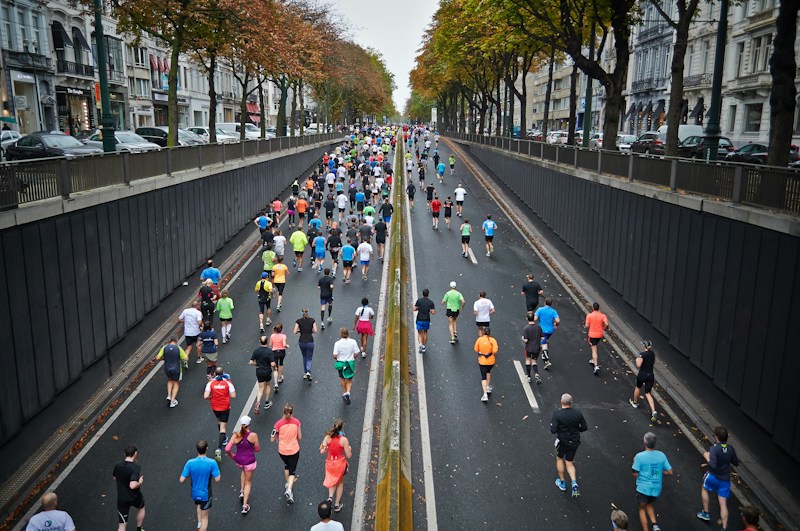
Run an Ultramarathon
Complete a race longer than 26.2 miles.
Complete an Open Water Swim
Swim a significant distance in open ocean, lake, or river.

Climb a High-Altitude Peak
Summit a mountain over 6,000 meters requiring technical mountaineering.
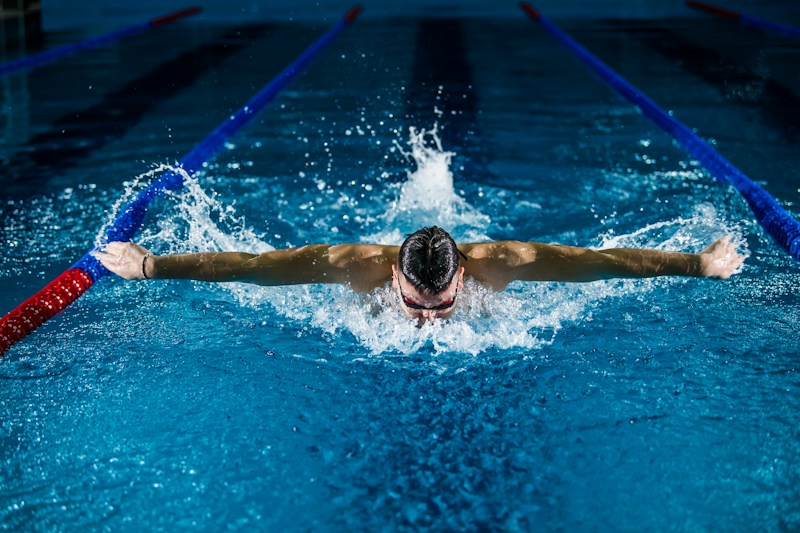
Complete a Triathlon
Finish a race combining swimming, cycling, and running.