Complete a Triathlon
From $200
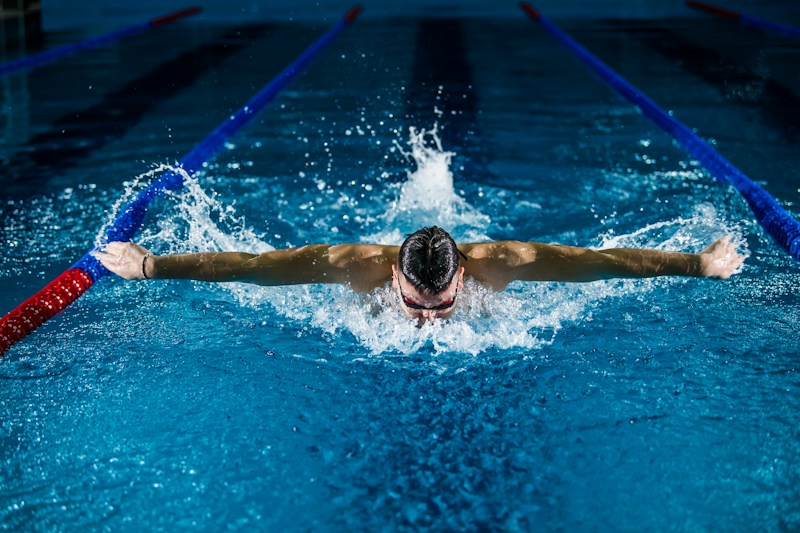
Complete a Triathlon
Finish a race combining swimming, cycling, and running.
At a Glance
$200+
Months of training, race day 1-17 hours
Worldwide
Spring through fall
About This Experience
Triathlon combines swimming, cycling, and running into a single continuous event that tests both multi-sport fitness and the ability to transition between radically different physical demands. The sport ranges from approachable sprint distances (typically 750-meter swim, 20-kilometer bike, 5-kilometer run) to the legendary Ironman distance (3.8-kilometer swim, 180-kilometer bike, 42.2-kilometer run marathon) that has become synonymous with extreme endurance achievement. The swim leg presents the first mental hurdle for many triathletes. Open-water swimming differs fundamentally from pool laps: the lack of walls for turns and rest, the navigation challenges of swimming straight without lane lines, the physical contact in mass starts, and the cold water temperatures that prevail at many events. Wetsuit legality depends on water temperature, but where permitted, wetsuits provide both warmth and buoyancy that can improve swim times significantly for developing swimmers. The transition areas—T1 (swim to bike) and T2 (bike to run)—comprise the "fourth discipline" that distinguishes triathlon from three separate events. Elite triathletes complete transitions in under a minute; age-group competitors benefit from practicing the choreography: removing wetsuit while running, locating your bike among hundreds, transitioning from swim mentality to cycling position. Time lost in sloppy transitions cannot be recovered; time saved through efficient transitions comes free of physical cost. The bike leg covers the most distance and provides the most opportunity for time gains or losses. Drafting rules in non-draft-legal races mean each rider must maintain distance from others, creating a solitary time trial rather than the pack dynamics of road racing. The temptation to push hard on the bike must be balanced against the run that follows—many triathletes discover too late that aggressive cycling destroys their running legs. Learning your sustainable bike pace, typically 10-15% below maximum effort, requires training experience specific to triathlon. The run—always the final leg—begins with the distinctive "brick" sensation: legs feel like concrete blocks for the first mile as blood flow redistributes and muscles adapt from cycling to running motion. This sensation diminishes with specific brick training (bike immediately followed by run) but never disappears entirely. The mental fortitude to maintain running form when everything screams to walk distinguishes successful triathletes from those who struggle with the discipline. The sprint distance provides the accessible entry point, completable in 60-90 minutes for fit beginners with modest sport-specific training. The Olympic distance (1.5km swim, 40km bike, 10km run) doubles the sprint challenge, requiring dedicated training over several months. The half-Ironman (70.3 miles total) pushes into genuinely long-course territory, with completion times ranging from 4-8 hours. The full Ironman—2.4-mile swim, 112-mile bike, 26.2-mile run marathon—demands 6-12 months of serious preparation and race durations of 8-17 hours. The triathlon community embraces both the competitive racers chasing podiums and the participants simply seeking completion. Finisher medals carry equal weight whether earned in first place or last; the experience of crossing that finish line after hours of sustained effort creates achievement regardless of clock time. The training process itself transforms participants: non-swimmers become comfortable in open water, sedentary people become endurance athletes, and the discipline required spills over into other life domains. The major races—Ironman World Championship in Kona, Ironman 70.3 World Championship at rotating venues, Olympic-distance world championships—provide aspirational goals for serious competitors. But the local sprint triathlon, completed on a summer weekend with family cheering at the finish, provides the same fundamental experience: can you swim, bike, and run in continuous sequence without stopping? Completing that challenge, regardless of distance, changes how you understand your physical capabilities.
Cost Breakdown
Estimated costs can vary based on location, season, and personal choices.
Budget
Basic experience, economical choices
Mid-Range
Comfortable experience, quality choices
Luxury
Premium experience, best options
Difficulty & Requirements
Challenging. Significant preparation and commitment required.
Physical Requirements
Competence in all three sports
Prerequisites
- Swimming ability
- Cycling
- Running
Tips & Advice
Start with a sprint triathlon (750m swim, 20km bike, 5km run)
Practice transitions - they're the "fourth discipline"
Brick workouts (bike-to-run) are essential
Don't go out too hard on the swim
Ironman is the ultimate goal for many
Community Discussion
Ask questions, share tips, or read experiences from others.
View Discussions Start DiscussionShare This Experience
Quick Summary
- Category Adventure
- Starting Cost $200
- Time Needed Months of training, race day 1-17 hours
- Best Season Spring through fall
- Difficulty Difficult
You Might Also Like
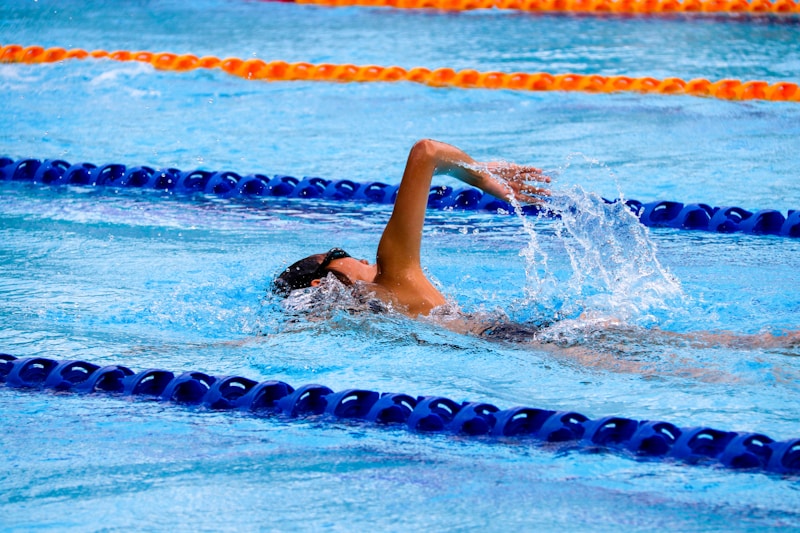
Complete an Open Water Swim
Swim a significant distance in open ocean, lake, or river.
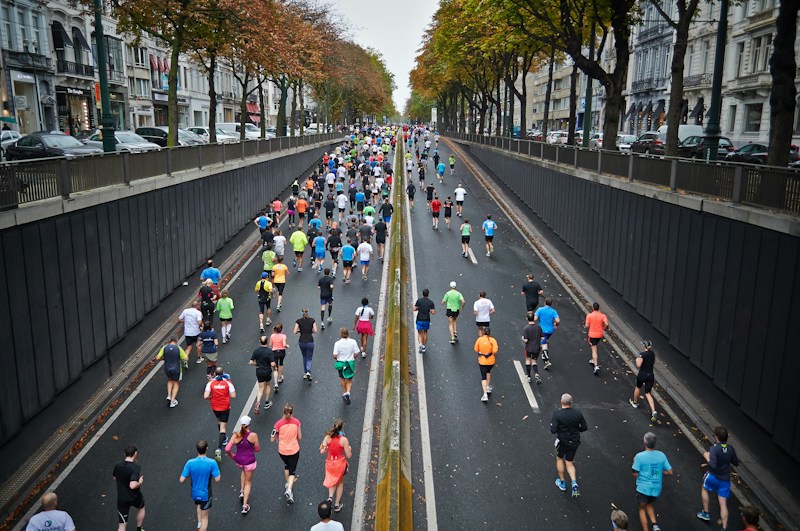
Run an Ultramarathon
Complete a race longer than 26.2 miles.
Swim the English Channel
Cross the 21-mile strait between England and France.
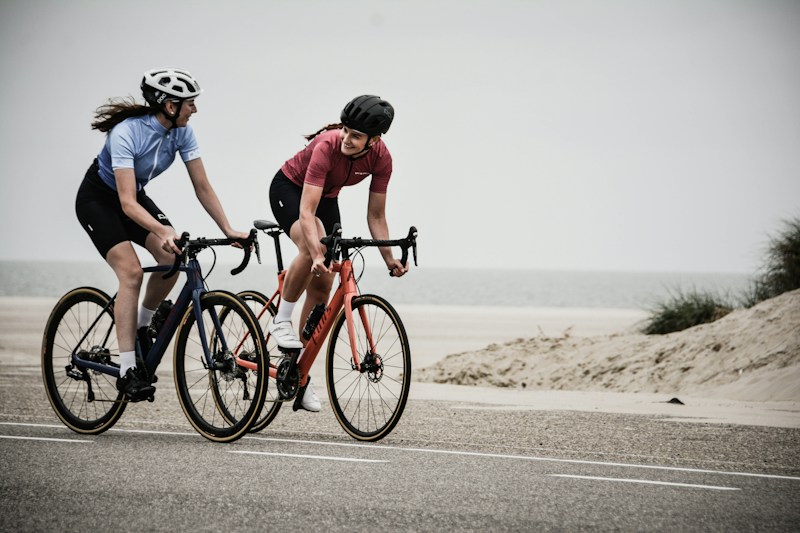
Complete Race Across America (RAAM)
Cycle 3,000 miles across the USA non-stop.