Complete an Open Water Swim
From $50
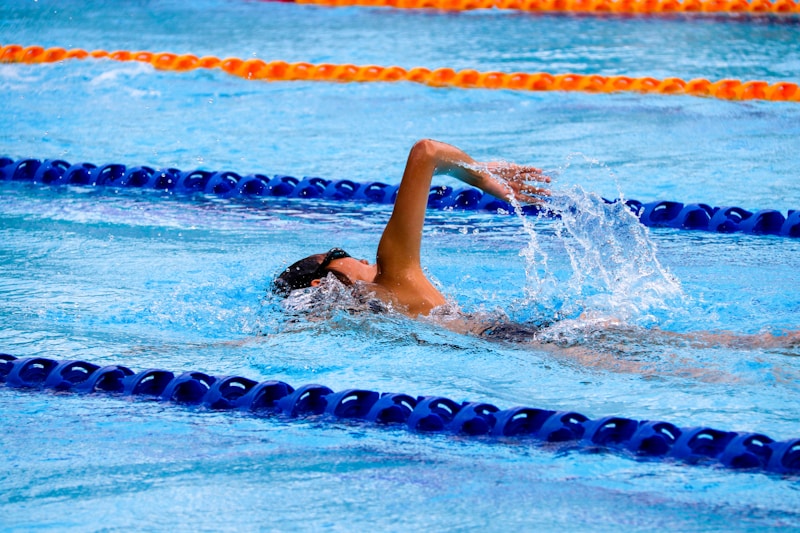
Complete an Open Water Swim
Swim a significant distance in open ocean, lake, or river.
At a Glance
$50+
Months of training, race day varies
Any open water venue
Summer
About This Experience
Open water swimming removes the pool's artificial constraints—lane lines, walls for pushing off, clear water, and controlled temperature—replacing them with the ocean's or lake's reality: currents that push you off course, waves that disrupt breathing rhythm, limited visibility, creatures you cannot see but know are present, and distance measured not in pool lengths but in minutes or hours of continuous effort. The achievement of completing a significant open water swim—whether a 1-kilometer event or the English Channel—involves not just physical endurance but mental navigation of the particular challenges that swimming in nature presents. The transition from pool to open water humbles swimmers who thought competence transferred directly. Sighting—lifting your head to see where you're going—costs energy and disrupts stroke rhythm; neglecting it sends you dramatically off course. The absence of walls means no rest breaks, no push-offs, no psychological markers of progress. The water tastes different (salt burns; freshwater tastes of whatever it contains); swallowing it produces unpleasant consequences. The first open water swim typically involves discovering that you're less prepared than you thought. The skills specific to open water swimming develop with practice. Bilateral breathing (both sides) allows adapting to waves from any direction. Draft swimming (positioning behind or beside another swimmer to reduce effort) saves energy during group swims. Pacing over distance differs from sprint efforts in pools. Cold water acclimatization—teaching your body to function despite temperatures that initially feel impossible—opens seasons and locations that would otherwise be inaccessible. Each skill addresses challenges that pools don't present. The events range from beginner-friendly 1-kilometer swims to the marathon swimming distances that test human limits. The Alcatraz swim, just under 1.5 miles but with strong currents that can double the distance swum, provides a bucket-list classic accessible to prepared recreational swimmers. The English Channel crossing (21 miles minimum, often 25+ due to currents) defines marathon swimming achievement. The Catalina Channel, Manhattan Island circumnavigation, and various international marathon swims each offer distinct challenges for those who progress beyond entry-level distances. The training involves building the aerobic base and stroke efficiency in pools, then translating those to open water conditions. Pool sessions can be tedious—many swimmers develop podcast or audiobook habits to manage the monotony of high-mileage training. Open water practice sessions gradually extend distance while teaching the specific skills that the environment demands. The training volume for marathon distances is substantial: those attempting channel crossings typically swim 25-40 kilometers per week for months before the attempt. The mental game distinguishes open water swimming from pool laps. During long swims, the mind wanders through states that range from pleasant meditation to dark confrontation with every doubt you've ever had. The swimmers who finish difficult events are often those who can manage their psychology when bodies and minds both urge stopping. Techniques borrowed from psychology, meditation, and other endurance sports help; so does simply accumulating experience with discomfort. The community around open water swimming tends toward mutual support that competitive sports sometimes lack. At events, faster swimmers cheer those still finishing; the shared understanding of what open water demands creates respect regardless of speed. The organizations that govern the sport—Marathon Swimming Federations, channel associations—maintain traditions and standards that connect contemporary swimmers to the sport's history. The first open water swim of meaningful distance—whatever that means for you—creates a reference point for future achievement. You know you can do something that, before you did it, seemed uncertain or impossible. That knowledge transfers beyond swimming to other areas where limits feel fixed but aren't.
Cost Breakdown
Estimated costs can vary based on location, season, and personal choices.
Budget
Basic experience, economical choices
Mid-Range
Comfortable experience, quality choices
Luxury
Premium experience, best options
Difficulty & Requirements
Challenging. Significant preparation and commitment required.
Physical Requirements
Strong swimming, endurance
Prerequisites
- Confident swimmer
- Pool training
Tips & Advice
Practice in open water before your event
Sighting (looking up while swimming) is essential
Wetsuits help with buoyancy and warmth
Start with 1-2km events
Alcatraz swim is a bucket list classic
Community Discussion
Ask questions, share tips, or read experiences from others.
View Discussions Start DiscussionShare This Experience
Quick Summary
- Category Adventure
- Starting Cost $50
- Time Needed Months of training, race day varies
- Best Season Summer
- Difficulty Difficult
You Might Also Like
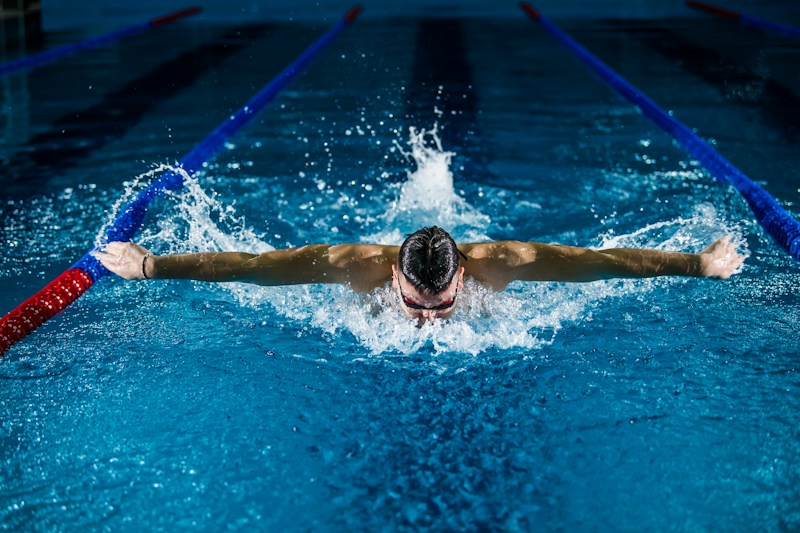
Complete a Triathlon
Finish a race combining swimming, cycling, and running.
Swim the English Channel
Cross the 21-mile strait between England and France.
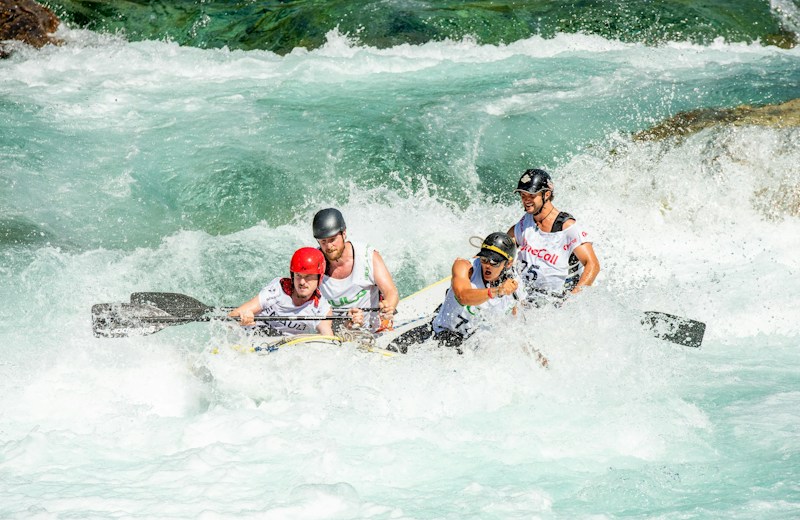
Go White Water Rafting
Navigate churning rapids on an inflatable raft.

Swim in Bioluminescent Waters
Watch the water glow around you with each movement.