Wander Through Bruges
From $800
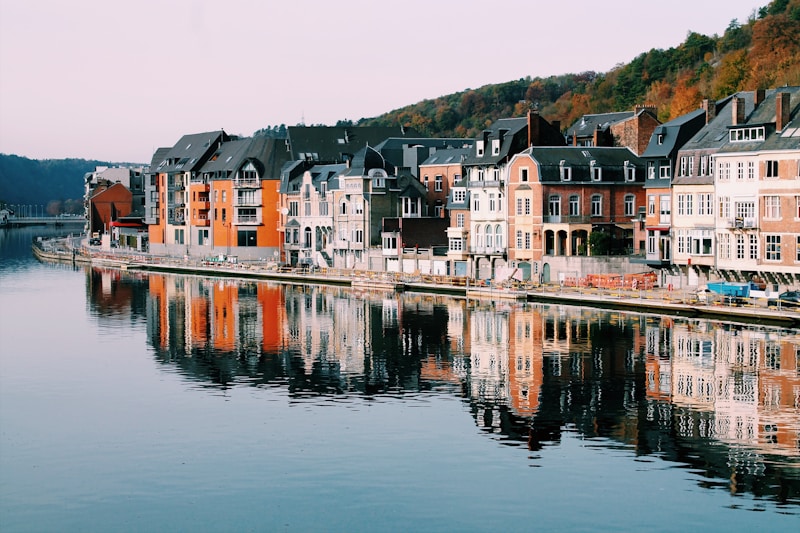
Wander Through Bruges
Step into a fairytale in Belgium's perfectly preserved medieval city.
At a Glance
$800+
2-3 days
Belgium
April-May or September-October
About This Experience
Bruges froze in time when its river silted up in the late medieval period, cutting off the trading routes that had made it one of Europe's wealthiest cities. That economic decline preserved what prosperity would have demolished—the Gothic architecture, the canal network, the cramped medieval streets—and when tourism discovered Bruges in the 19th century, it found a medieval city essentially intact. Today Bruges (Brugge in Flemish) draws visitors seeking the fairytale Europe of imagination: cobblestones and canals, brick towers and gabled facades, and indulgences including Belgian chocolate, beer, and frites that elevate tourism to culinary experience. The Markt (market square) and surrounding streets provide the essential Bruges experience. The Belfry, rising 83 meters from the square, has watched over the city since the 13th century, its 366-step climb rewarded with panoramic views across terracotta rooftops to the surrounding Flemish countryside. The Provincial Court and guild houses surrounding the square preserve the civic pride of medieval merchants. Horse-drawn carriages clatter across cobblestones, their presence both tourist infrastructure and historical accuracy—cars were banned from much of the center long ago. The canals that thread through the city center provide different perspectives. Canal boat tours navigate the waterways where merchants once unloaded goods from across the medieval world, passing beneath bridges that connect neighborhoods separated by water, offering views of the backsides of houses that faced canals when water was the primary transport. The Dijver canal, lined with trees and crossed by photogenic bridges, appears on the cover of every Bruges guidebook for good reason. The Burg square, adjacent to the Markt, concentrates religious and civic architecture. The Basilica of the Holy Blood claims to contain a relic of Christ's blood brought from the Holy Land during the Crusades; the chapel displays this venerated relic daily. The Town Hall, among the oldest in the Low Countries, displays Gothic civic architecture at its finest. The Franc of Bruges preserves a Renaissance fireplace that demonstrates the wealth this trading city once commanded. The churches and museums reward exploration beyond the central squares. The Church of Our Lady contains Michelangelo's Madonna and Child, one of the few Michelangelo sculptures outside Italy, acquired by Bruges merchants when the city could afford such purchases. The Groeninge Museum houses Flemish Primitives—Jan van Eyck, Hans Memling, and other masters who worked in Bruges when it was an artistic capital—alongside later Belgian art. The Memling Museum occupies the medieval St. John's Hospital, its collections including Hans Memling's masterpiece, the Shrine of St. Ursula. The indulgences justify Belgium's culinary reputation. Chocolate shops appear on virtually every street, their windows displaying pralines and truffles in dizzying variety, their quality ranging from tourist-trap mediocrity to world-class artistry. The distinction requires tasting—shops like The Chocolate Line, Dumon, and Mary demonstrate what Belgian chocolate can achieve. Beer—Belgium produces more varieties per capita than any country—fills specialty shops and bars, with Bruges' own De Halve Maan brewery offering tours and tastings of Brugse Zot. Frites (not French fries—never call them that in Belgium) come from fritkots (fry shops) that serve them in paper cones with mayonnaise and dozens of other sauces; Reitz and Friestempel are local favorites. The day-tripper challenge shapes the Bruges experience. Cruise ships in Zeebrugge disgorge thousands who descend on the city by mid-morning and depart by late afternoon, the narrow streets becoming nearly impassable at peak hours. The solution involves staying overnight—morning and evening belong to hotel guests and residents, the city's genuine beauty emerging when crowds depart. The restaurants, museums, and streets reveal their character without pushing through masses of fellow visitors. The practical considerations include Bruges' accessibility—trains from Brussels take just over an hour, from Ghent thirty minutes, making day trips easy but overnight stays better. The city is compact and entirely walkable; most attractions cluster within minutes of each other. English is widely spoken (as is French and Dutch/Flemish), prices are Belgian (which means not cheap by international standards), and quality varies enough that guidance helps navigate chocolate, beer, and dining choices. Bruges delivers the romantic European city that travelers imagine—preserved, beautiful, and indulgent in ways that reward rather than challenge visitors.
Cost Breakdown
Estimated costs can vary based on location, season, and personal choices.
Budget
Basic experience, economical choices
Mid-Range
Comfortable experience, quality choices
Luxury
Premium experience, best options
Difficulty & Requirements
Perfect for beginners. Minimal preparation needed.
Physical Requirements
Walking
Tips & Advice
Climb the Belfry for panoramic views
Take a canal boat tour
Try Belgian frites from a frituur
Visit chocolatiers - quality varies wildly
Stay overnight - day trippers overwhelm the city
Related Topics
Community Discussion
Ask questions, share tips, or read experiences from others.
View Discussions Start DiscussionShare This Experience
Quick Summary
- Category Travel
- Starting Cost $800
- Time Needed 2-3 days
- Best Season April-May or September-October
- Difficulty Easy
You Might Also Like
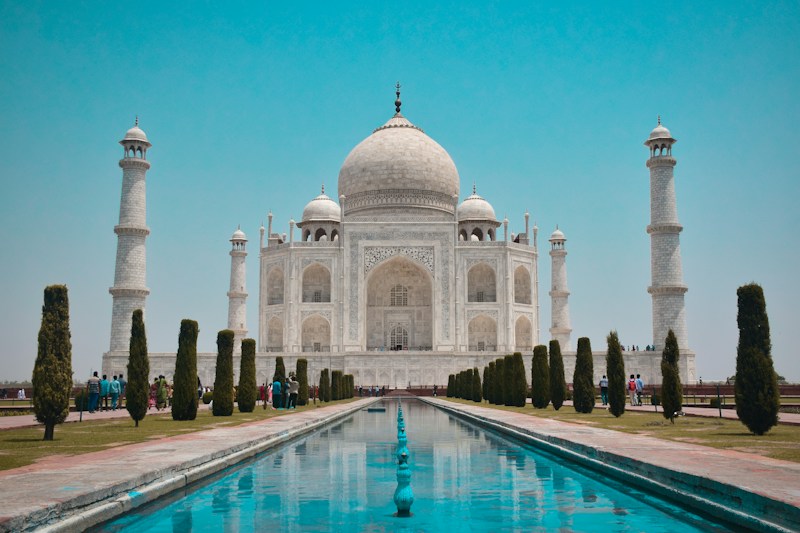
Visit the Taj Mahal
Witness the world's most beautiful monument to love at sunrise.
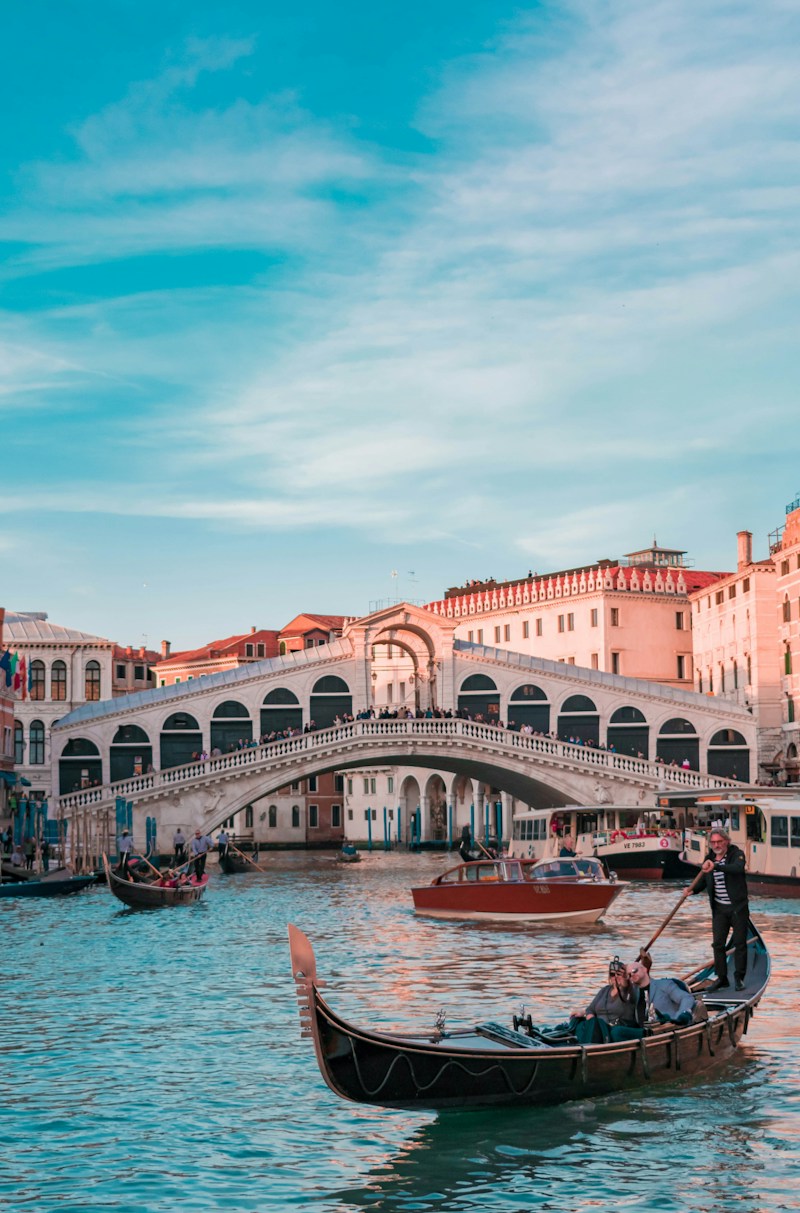
Get Lost in Venice
Wander the enchanting canals and hidden squares of the floating city.
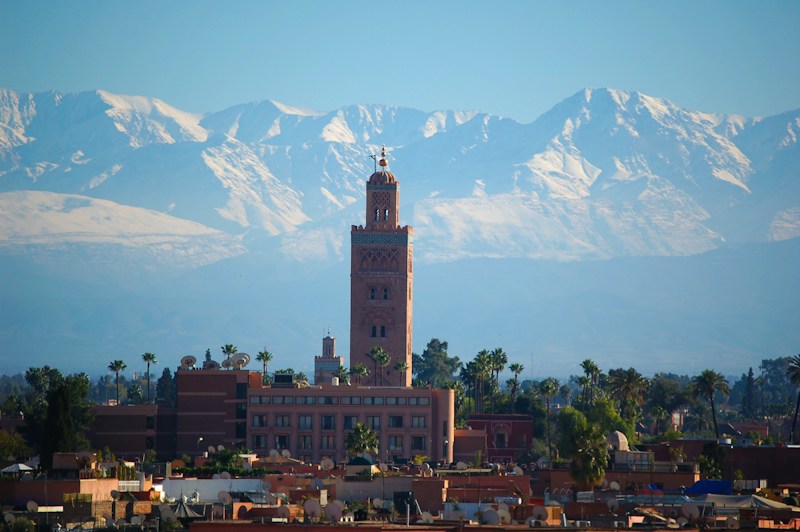
Explore Marrakech's Medina
Navigate the sensory maze of Morocco's most vibrant city.
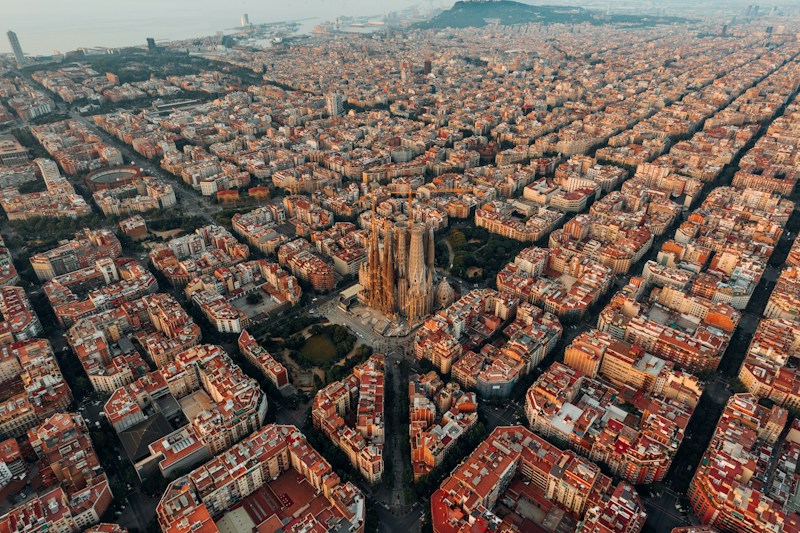
Discover Barcelona
Explore Gaudí's fantastical architecture and vibrant Catalan culture.