Get Lost in Venice
From $1.5k
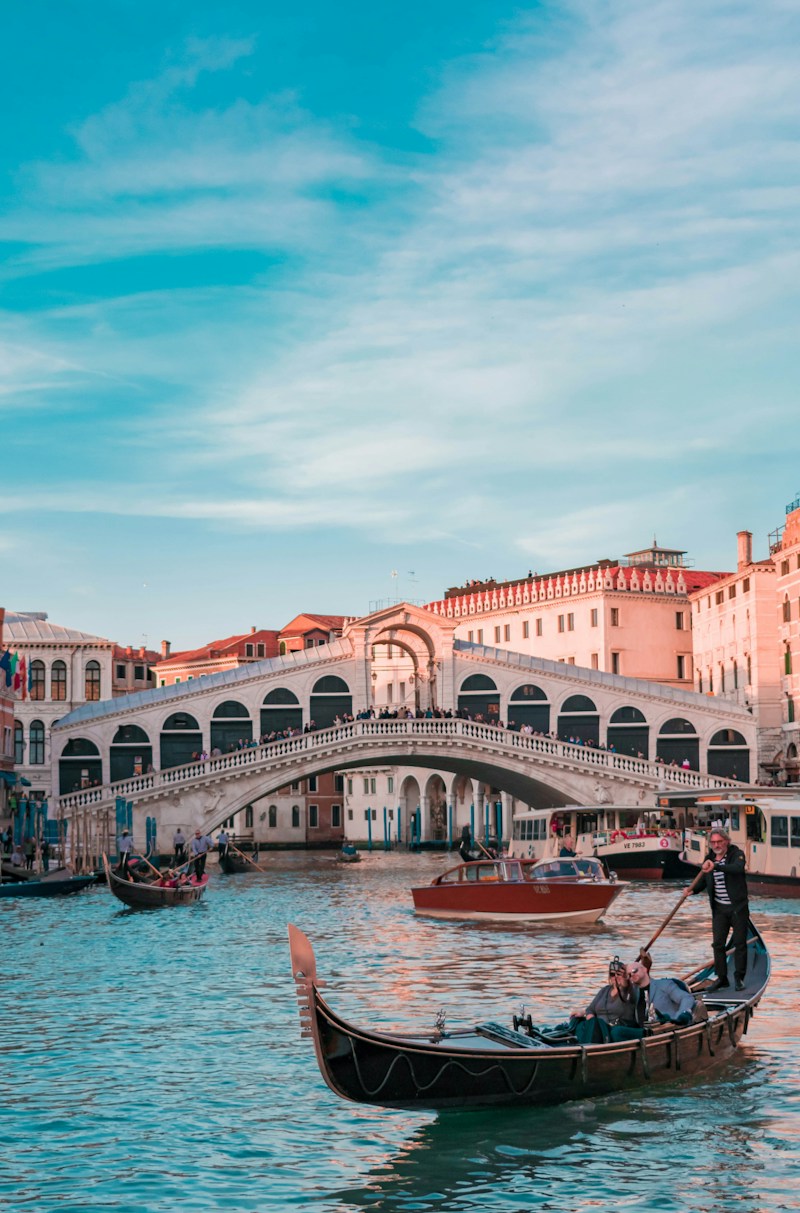
Get Lost in Venice
Wander the enchanting canals and hidden squares of the floating city.
At a Glance
$1.5k+
3-5 days
Italy
April-June or September-November
About This Experience
Venice shouldn't exist. A city of marble palaces built on millions of wooden pilings driven into a lagoon, connected by 400 bridges spanning 150 canals, devoid of cars or bicycles, appearing to float on water that threatens to swallow it—Venice is an act of collective will sustained for over a thousand years. To walk its narrow passages, to emerge suddenly into hidden squares, to watch gondolas glide beneath bridges while church bells toll across the water is to experience a place that operates by different rules than anywhere else on Earth. The Republic of Venice once ruled the Mediterranean, its merchant ships bringing wealth from Constantinople and beyond, its navy commanding respect from empires, its spies renowned throughout Europe. That maritime power funded the architectural splendor you see today: the Byzantine mosaics of St. Mark's Basilica, glittering with gold across its five domes; the Gothic tracery of the Doge's Palace, its pink and white marble creating patterns that seem too delicate to bear the building's weight; the Renaissance masterpieces in the Gallerie dell'Accademia, including Titian's Assumption whose colors still glow after five centuries. But Venice rewards those who abandon itineraries and embrace the maze. Getting lost isn't a failure here—it's the optimal strategy. The route from Point A to Point B will take you past churches you never intended to find, through squares where children play and old men argue over cards, across bridges that reveal views appearing on no postcard. The wayfinding signs to major destinations are deliberately inadequate, as if the city knows that the journey matters more than arrival. The canals determine Venetian rhythm. The Grand Canal sweeps in a backwards S through the city, lined with palazzos that catalog architectural evolution from Byzantine to Renaissance to Baroque, each noble family once competing to display wealth on this liquid main street. Smaller canals penetrate every district, creating the water streets that substitute for roads. Watch the cargo boats making deliveries, the ambulance boats responding to emergencies, the garbage boats collecting refuse—everything that travels by truck elsewhere travels by water here. St. Mark's Square presents Venice's public face: the Basilica with its four bronze horses looted from Constantinople, the Campanile rising 99 meters above the surrounding flatness, the arcades of the Procuratie sheltering cafes where orchestras compete for tourists' attention. The square floods regularly—acqua alta events that once occurred a few times annually now happen dozens of times—and walking on raised platforms across a flooded piazza, the Basilica reflecting in the temporary lake, creates memories that justify every inconvenience. The neighborhoods (sestieri) each possess distinct character. San Marco concentrates the tourist highlights but feels least Venetian. Dorsoduro's university presence creates student energy alongside major museums. Cannaregio's Ghetto—the original ghetto, from which all others take their name—offers insight into Venice's Jewish heritage and some of the city's best dining. Castello stretches east toward the Arsenale, once the world's largest industrial complex, its shipyards producing a galley a day at peak production. The experience of staying overnight transforms everything. Day-trippers flood the city from 10 AM to 6 PM, overwhelming the narrow passages and making popular sites feel like theme parks. But they leave. As evening descends and the cruise ship passengers return to their floating hotels, Venice reveals its other face: empty squares where your footsteps echo, candlelit dinners with views of passing boats, the surreal quiet of a car-free city after dark. Staying at least two nights—one to see the highlights, another to simply wander—represents the minimum for meaningful experience. Venice's artistic riches demand selective attention. The Accademia provides the essential introduction to Venetian painting, from Bellini's serene Madonnas to Tintoretto's muscular drama. The Peggy Guggenheim Collection offers twentieth-century masters in a palazzo that Peggy herself inhabited. The Scuole—confraternity buildings—contain some of Venice's most important art in settings less crowded than major museums: the Scuola Grande di San Rocco with its 60 Tintoretto paintings, the Scuola di San Giorgio degli Schiavoni with Carpaccio's St. George and the Dragon cycle. The islands of the lagoon extend the experience. Murano, famous for glassmaking since the furnaces were moved there in 1291 to reduce fire risk in the main city, offers demonstrations of an art form that once represented state secrets. Burano's brilliantly painted houses—each a different color to help fishermen find home through fog—create a visual feast unlike anywhere else. Torcello, nearly abandoned but containing the lagoon's oldest cathedral with stunning Byzantine mosaics, whispers of Venice's origins as a refuge from barbarian invasions. Venice is sinking and the sea is rising. The MOSE flood barrier project, decades in construction, now operates to hold back the highest tides, but climate change projections suggest that acqua alta will eventually become permanent. Overtourism strains the city's fragile infrastructure and drives out residents—the population has dropped from 175,000 in 1951 to around 50,000 today. These challenges don't diminish Venice's beauty, but they add urgency: this city may not always exist in its current form. Getting lost in Venice at twilight, crossing yet another bridge over yet another canal, finding yet another campo where locals gather while tourist groups hurry past—these moments constitute Venice's real gift. This isn't a museum city or a theme park but a functioning community that happens to exist in the most improbable setting humans ever chose to inhabit. That it survives at all is remarkable; that it maintains such beauty while doing so is little short of miraculous.
Cost Breakdown
Estimated costs can vary based on location, season, and personal choices.
Budget
Basic experience, economical choices
Mid-Range
Comfortable experience, quality choices
Luxury
Premium experience, best options
Difficulty & Requirements
Perfect for beginners. Minimal preparation needed.
Physical Requirements
Lots of walking over bridges
Tips & Advice
Stay overnight - Venice is magical after day-trippers leave
Get lost on purpose - best discoveries happen by accident
Visit Murano and Burano islands
Book St. Mark's Basilica skip-the-line tickets
Avoid eating near tourist hotspots
Related Topics
Community Discussion
Ask questions, share tips, or read experiences from others.
View Discussions Start DiscussionShare This Experience
Quick Summary
- Category Travel
- Starting Cost $1.5k
- Time Needed 3-5 days
- Best Season April-June or September-November
- Difficulty Easy
Explore More
You Might Also Like
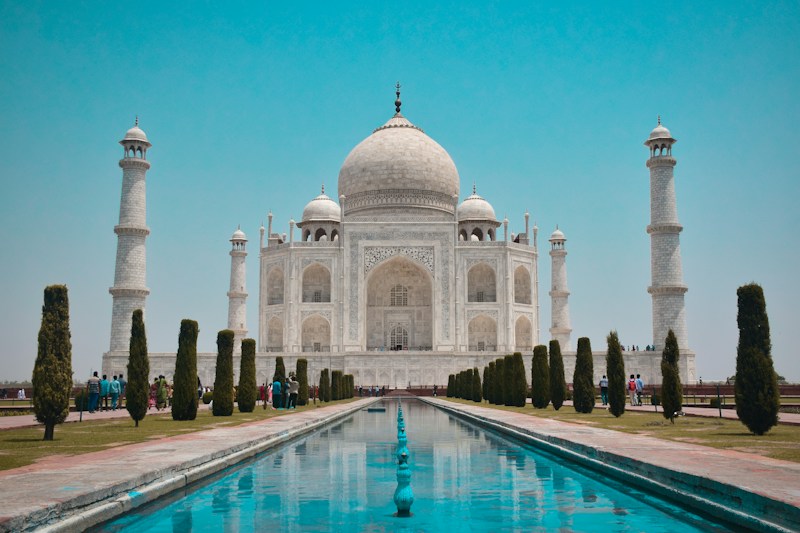
Visit the Taj Mahal
Witness the world's most beautiful monument to love at sunrise.
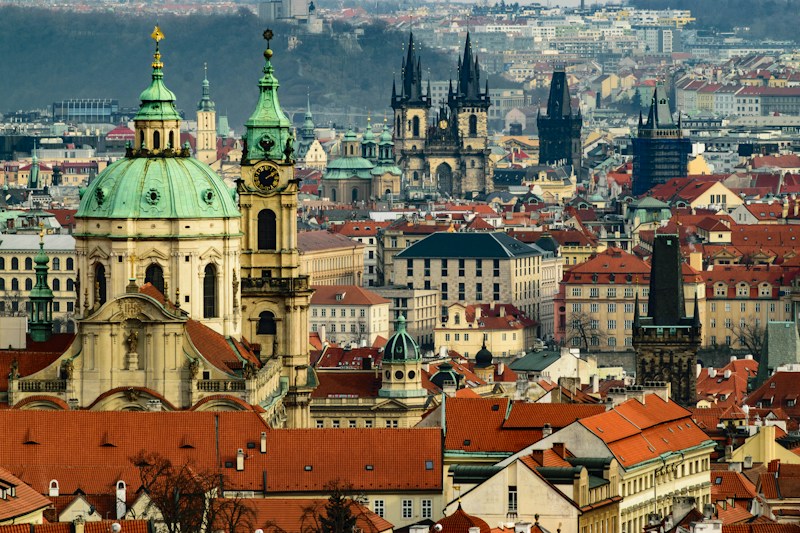
Wander Through Prague
Explore the fairytale spires and cobblestone streets of the Golden City.
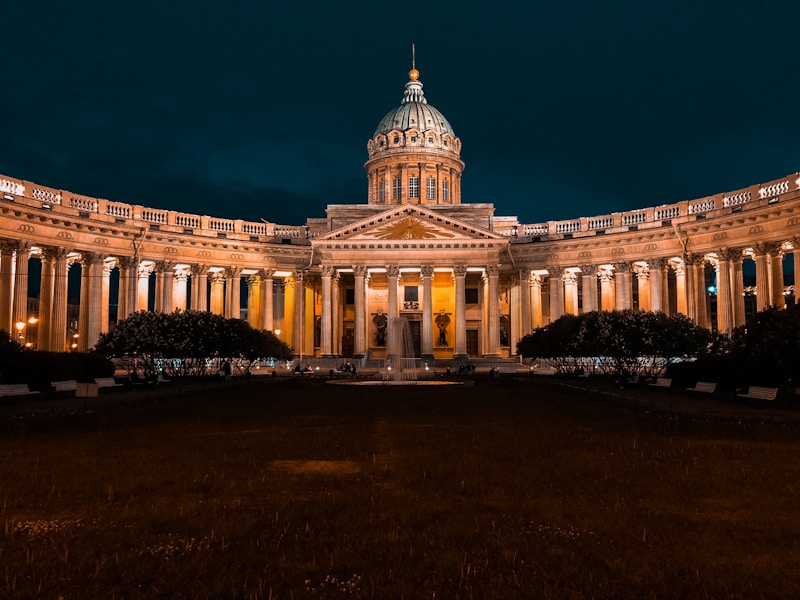
Explore St. Petersburg's Palaces
Marvel at the opulence of Russia's imperial capital.
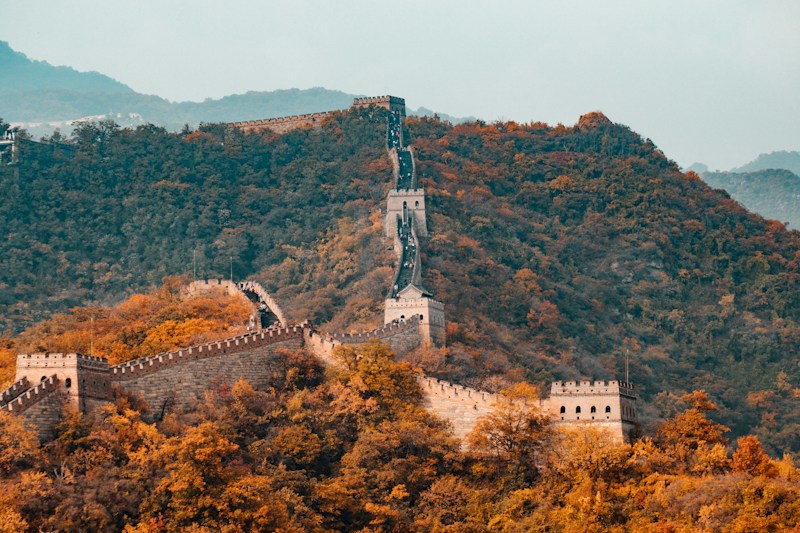
Walk the Great Wall of China
Trek along one of the world's most impressive architectural feats.