Watch Sunrise at Angkor Wat
From $600

Watch Sunrise at Angkor Wat
See the sun rise behind the world's largest religious monument.
At a Glance
$600+
3-5 days
Cambodia
November to February
About This Experience
The towers of Angkor Wat emerge from darkness as silhouettes against a sky that shifts from black to purple to gold, their reflections appearing in the lotus-filled pools as the sun crests the eastern tree line. This moment—experienced by thousands of travelers every dry-season morning—has become one of the world's most sought-after sunrise spectacles, the ancient Khmer temple complex revealing itself in the growing light as it has every morning for nearly nine centuries. The sunrise is just the beginning; the Angkor Archaeological Park contains thousands of structures spread across 400 square kilometers, the remains of a civilization that at its peak may have been the largest city on Earth. Angkor Wat itself, the world's largest religious monument, was built in the early 12th century as a Hindu temple dedicated to Vishnu, later converted to Buddhism, and designed as an earthly representation of Mount Meru, the home of the gods in Hindu cosmology. The five towers represent the mountain's peaks; the moat represents the cosmic ocean; the causeway represents the rainbow bridge between the realms of gods and humans. The bas-reliefs covering the gallery walls depict scenes from Hindu epics—the Churning of the Sea of Milk, battles from the Ramayana, historical scenes of Khmer military victories—in carvings so detailed that scholars continue discovering new interpretations. The sunrise experience requires practical acceptance of crowds. During peak season (November through March), thousands arrive before dawn, jockeying for position at the reflecting pools, tripods competing for limited space, the silence of anticipation giving way to the click of cameras as light arrives. The crush can diminish the spiritual atmosphere, but the spectacle persists—the temple doesn't care how many people are watching. Alternative approaches include positioning at less popular vantage points, visiting during shoulder season when crowds thin, or accepting that the famous spot is famous for reasons that transcend the crowds gathered there. The broader temple complex demands days of exploration. Bayon, at the center of Angkor Thom, presents faces carved into towers—over 200 of them, their serene smiles gazing in all directions, their identity (the Buddha? King Jayavarman VII?) still debated. Ta Prohm, the "Tomb Raider temple," preserves the photogenic struggle between ancient stones and strangler fig trees, the roots prying apart walls in slow motion, the jungle reclaiming what civilization built. Preah Khan, less visited but equally atmospheric, sprawls through forest in a maze of corridors and courtyards. Banteay Srei, some distance from the main complex, displays the finest Khmer carving in pink sandstone that glows in morning or afternoon light. The historical context adds dimensions that pure aesthetics cannot provide. The Khmer Empire that built these temples ruled much of mainland Southeast Asia from the 9th to 15th centuries, their wealth evident in the scale of construction, their engineering genius visible in the water management systems that supported urban populations of perhaps a million people. The empire's decline and the temples' abandonment remain partially mysterious—climate change, military defeat, religious transformation all contributed to the shift of power to what would become Thailand. The temples, too massive to disappear, were never truly "lost"—local populations knew them—but the French "discovery" in the 19th century began the archaeological and tourist attention that continues intensifying. The Siem Reap experience extends beyond temples. The town has transformed from a village serving temple visitors to a proper tourism destination, its Pub Street pulsing with bars and restaurants, its night market offering crafts and food, its hotels and guesthouses accommodating every budget. The Cambodian circus Phare provides evening entertainment that supports youth education. The floating villages on Tonle Sap lake reveal life adapted to water rather than land. The practical considerations include the three-day temple pass that most serious visitors choose, allowing time for the major temples plus exploration of more remote sites. The heat and humidity (less brutal in cool season but never absent) demand hydration, early starts, and midday breaks. Guides provide historical and artistic context that independent visits cannot match; the temples reveal more when someone explains what you're seeing. The tuk-tuk drivers who transport visitors between temples have become essential infrastructure, their circuits covering the vast complex efficiently. The sunrise at Angkor Wat has become a cliché precisely because the experience delivers something genuine—a connection to historical grandeur, natural beauty, and the human impulse to create monuments that outlast their creators. The crowds share that impulse; their presence doesn't diminish it.
Cost Breakdown
Estimated costs can vary based on location, season, and personal choices.
Budget
Basic experience, economical choices
Mid-Range
Comfortable experience, quality choices
Luxury
Premium experience, best options
Difficulty & Requirements
Accessible for most people with basic planning.
Physical Requirements
Walking in heat
Prerequisites
- Temple pass
Tips & Advice
Arrive at 5am for sunrise (it's crowded but worth it)
Position yourself at the left pool for classic reflection
Bayon temple faces are best at midday light
Ta Prohm (Tomb Raider temple) is magical
Hire a tuk-tuk driver for the full experience
Related Topics
Community Discussion
Ask questions, share tips, or read experiences from others.
View Discussions Start DiscussionShare This Experience
Quick Summary
- Category Travel
- Starting Cost $600
- Time Needed 3-5 days
- Best Season November to February
- Difficulty Moderate
You Might Also Like

Explore Angkor Wat
Discover the ancient temples of the Khmer Empire in the Cambodian jungle.
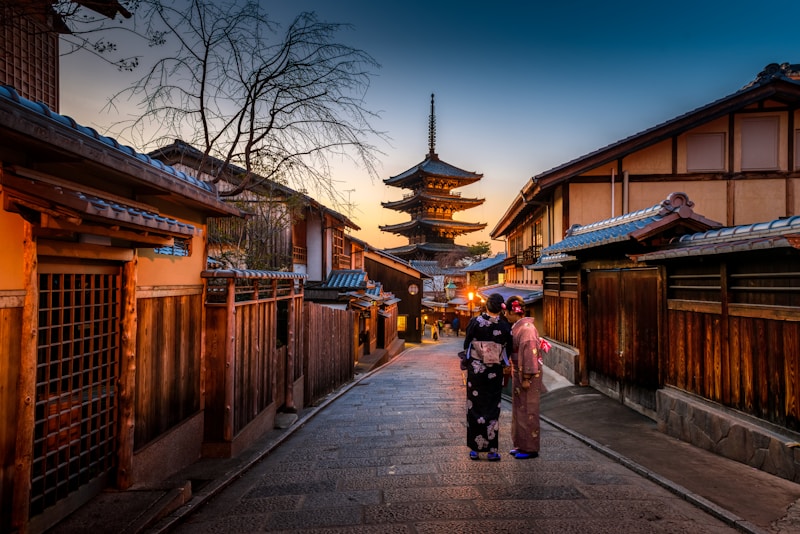
Temple-Hop Through Kyoto
Discover Japan's spiritual heart among thousands of shrines and temples.
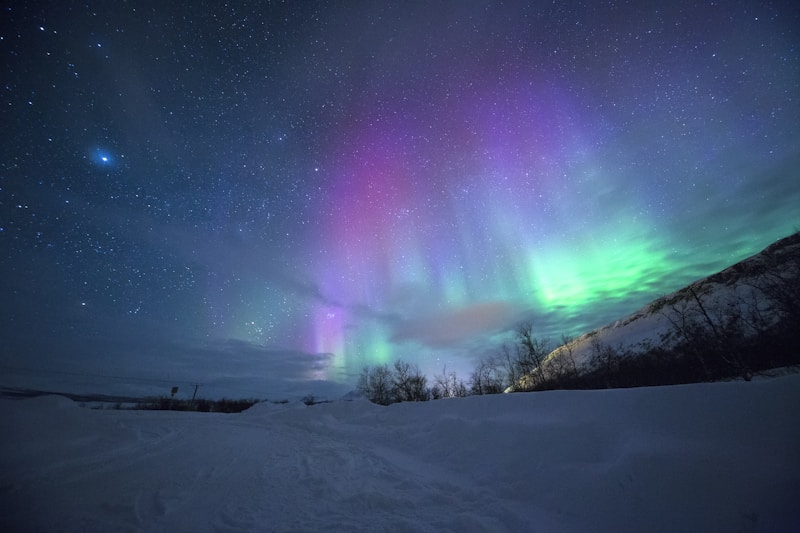
See the Northern Lights
Witness the magical aurora borealis dancing across the night sky.
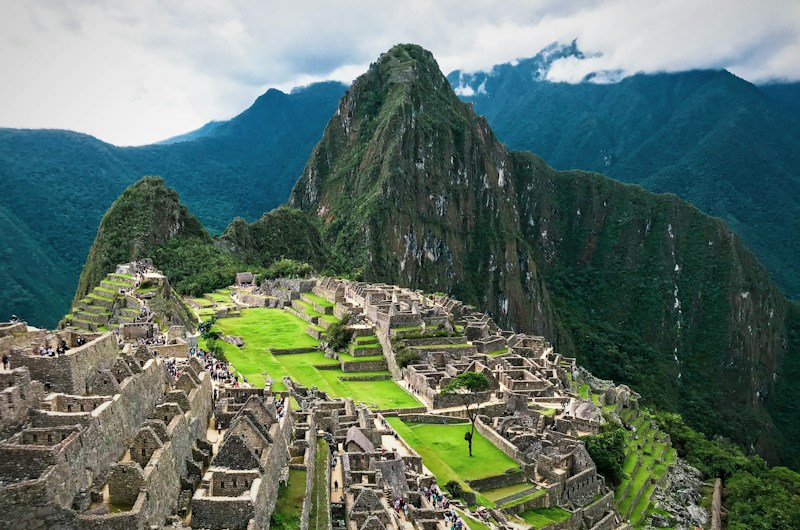
Visit Machu Picchu
Explore the ancient Incan citadel perched high in the Andes Mountains.