Tour Scottish Whisky Distilleries
From $100
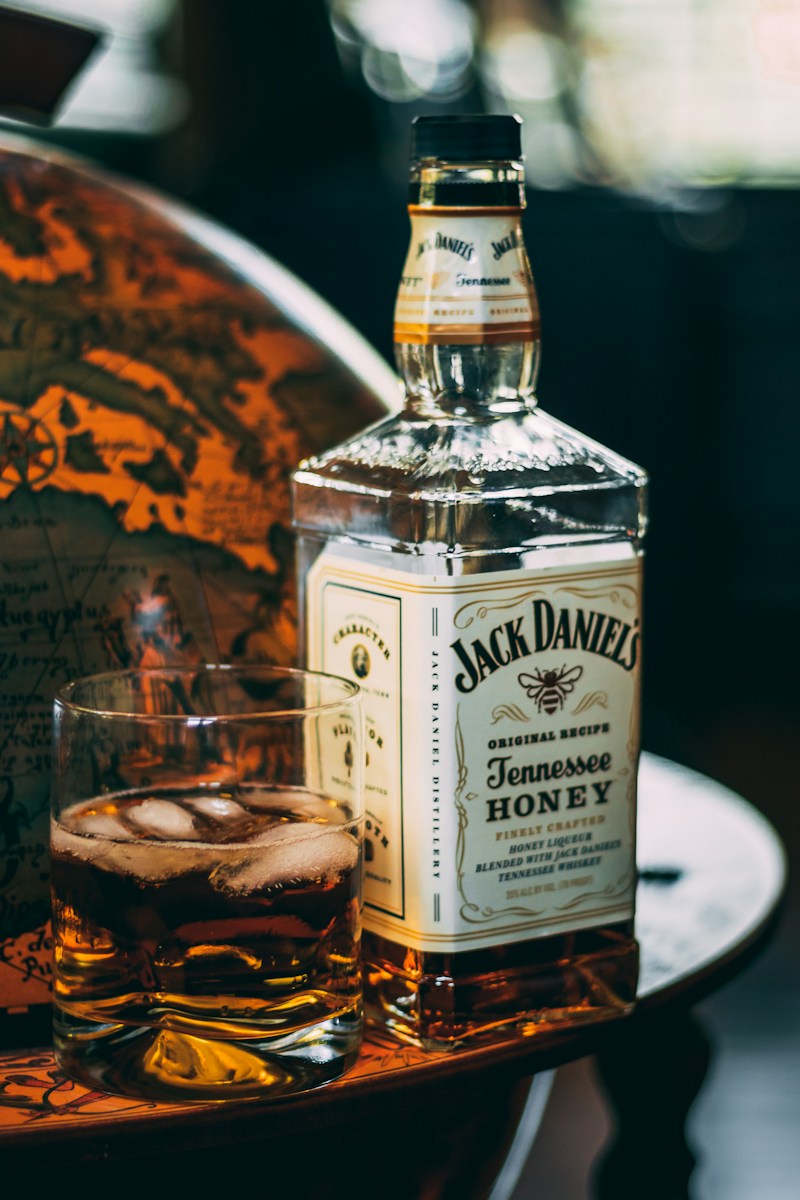
Tour Scottish Whisky Distilleries
Taste single malts in the regions where they're made.
At a Glance
$100+
2-5 days
Scotland
Year-round
About This Experience
Scottish whisky distillery touring reveals how geography, water, climate, and centuries of tradition combine to create the world's most complex spirit category. Scotland's whisky regions—Speyside, Islay, Highland, Lowland, Campbeltown—each produce distinct styles shaped by local conditions and accumulated expertise, with individual distilleries within regions developing their own characters that devoted drinkers can identify blindly. Visiting these distilleries provides education impossible through tasting alone, showing how technical decisions throughout production determine what eventually reaches your glass. The whisky regions developed distinct identities through isolation that preserved local practices. Islay, the southernmost Hebridean island, produces intensely peated whiskies because abundant peat historically served as fuel for malting and heating—the smoke that flavored the grain became characteristic rather than incidental. Speyside, concentrated around the River Spey, became whisky's heartland with over half of Scotland's distilleries clustered in its relatively small territory, their softer, often fruity whiskies reflecting Speyside's conditions. Highland distilleries range from coastal to mountainous, their diversity reflecting the region's geographic variety. Understanding these regional patterns provides framework for comprehending individual distillery expressions. The production process explained through distillery tours illuminates why whisky costs what it does and why variations exist between bottles. Malting begins the process, with barley steeped, germinated, and dried—the drying potentially exposing grain to peat smoke that creates familiar smoky flavors. Mashing converts the malted barley's starch to sugar. Fermentation by yeast creates a beer-like liquid. Distillation in copper pot stills—each distillery's stills specifically shaped to produce their desired character—concentrates alcohol while selecting which flavor compounds pass through. Aging in oak barrels, often previously used for bourbon or sherry, adds color, smoothness, and wood-derived flavors over years or decades. Islay distilleries offer the most dramatic tasting experiences, their heavily peated whiskies challenging the uninitiated while thrilling devoted fans. Laphroaig, Ardbeg, and Lagavulin—the three southern Islay distilleries—produce medicine-chest whiskies where peat smoke dominates everything, yet each differs distinctly from its neighbors. The island's northern distilleries, including Bruichladdich and Bunnahabhain, produce lighter styles demonstrating Islay's diversity. The island experience includes ferry crossings, modest accommodations, and a dedicated whisky-focused culture where distilleries represent the primary economy. Speyside distilleries provide easier logistics and extraordinary concentration—you can visit three or four in a day given the region's density. Glenfiddich and Glenlivet, among the world's best-selling single malts, operate extensive visitor programs with multiple tour options from basic to premium experiences. Smaller operations like Balvenie and Cragganmore offer more intimate access. The Malt Whisky Trail formalizes touring through seven distilleries plus a historic cooperage, providing structure for independent exploration. Highland distilleries scattered across Scotland's largest region require more driving but reward with diversity. Glenmorangie in the north produces elegant whiskies finished in various wood types. Oban on the west coast bridges Highland and Island styles. Edradour, Scotland's smallest traditional distillery, demonstrates craft-scale production. The variety available within the Highland designation encompasses nearly everything whisky can be. The tasting dimension of distillery visits includes opportunities unavailable through normal retail. Warehouse tastings—drinking whisky directly from aging casks—provide insight into development across years. Single-cask bottlings available only at distilleries offer unique expressions never reaching general distribution. The sheer freshness of whisky tasted at source, never having traveled, sometimes reveals characteristics that export versions have lost. Practical considerations shape effective whisky touring. Designated drivers or organized tours prove essential—even small tastings accumulate to dangerous levels across multiple distilleries. Pacing visits allows appreciation rather than blur; three distilleries daily represents reasonable maximum for serious engagement. Many distilleries require reservations, particularly for premium experiences or during peak season. Combining whisky touring with Scotland's broader attractions—castles, coastlines, cities—creates balanced itineraries for traveling companions less whisky-focused. The education gained through distillery touring transforms future whisky appreciation. Understanding production steps allows identifying what creates flavors you enjoy. Recognizing regional characteristics guides purchasing decisions. Developing vocabulary for describing what you taste enables more meaningful conversation with bartenders, shop staff, and fellow enthusiasts. This knowledge, built through direct experience at whisky's source, represents lasting return on touring investment.
Cost Breakdown
Estimated costs can vary based on location, season, and personal choices.
Budget
Basic experience, economical choices
Mid-Range
Comfortable experience, quality choices
Luxury
Premium experience, best options
Difficulty & Requirements
Perfect for beginners. Minimal preparation needed.
Physical Requirements
Walking
Prerequisites
- Designated driver or tour
Tips & Advice
Islay for peat, Speyside for fruit, Highland for variety
Small distilleries often have better tours
Warehouse tastings are special
The Angel's Share is real - smell the aging rooms
Non-chill-filtered whiskies show more character
Related Topics
Community Discussion
Ask questions, share tips, or read experiences from others.
View Discussions Start DiscussionShare This Experience
Quick Summary
- Category Food & Drink
- Starting Cost $100
- Time Needed 2-5 days
- Best Season Year-round
- Difficulty Easy
You Might Also Like
Take a Street Food Tour
Discover authentic local flavors through street vendors.
Tour the Kentucky Bourbon Trail
Visit legendary bourbon distilleries in their homeland.
Tour French Cheese Regions
Sample legendary cheeses in the regions where they're made.
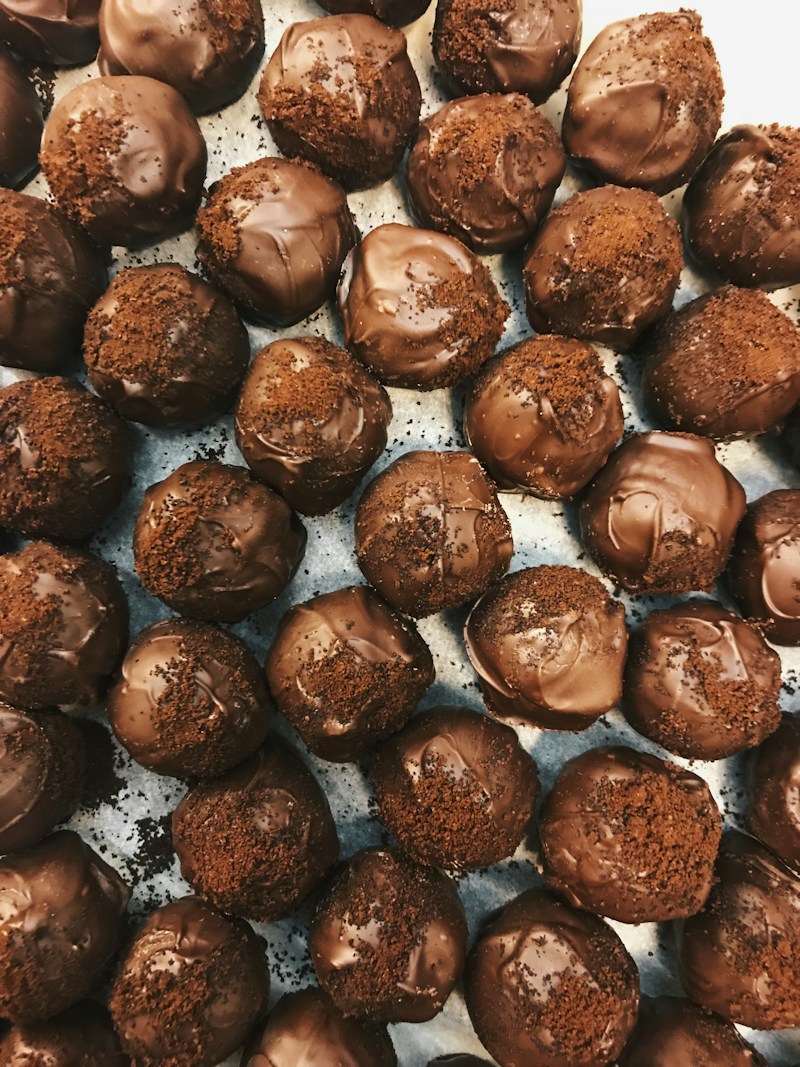
Tour Belgian Chocolate Makers
Sample the world's finest chocolates in Belgium.