Stay in an Overwater Bungalow in the Maldives
From $3.0k
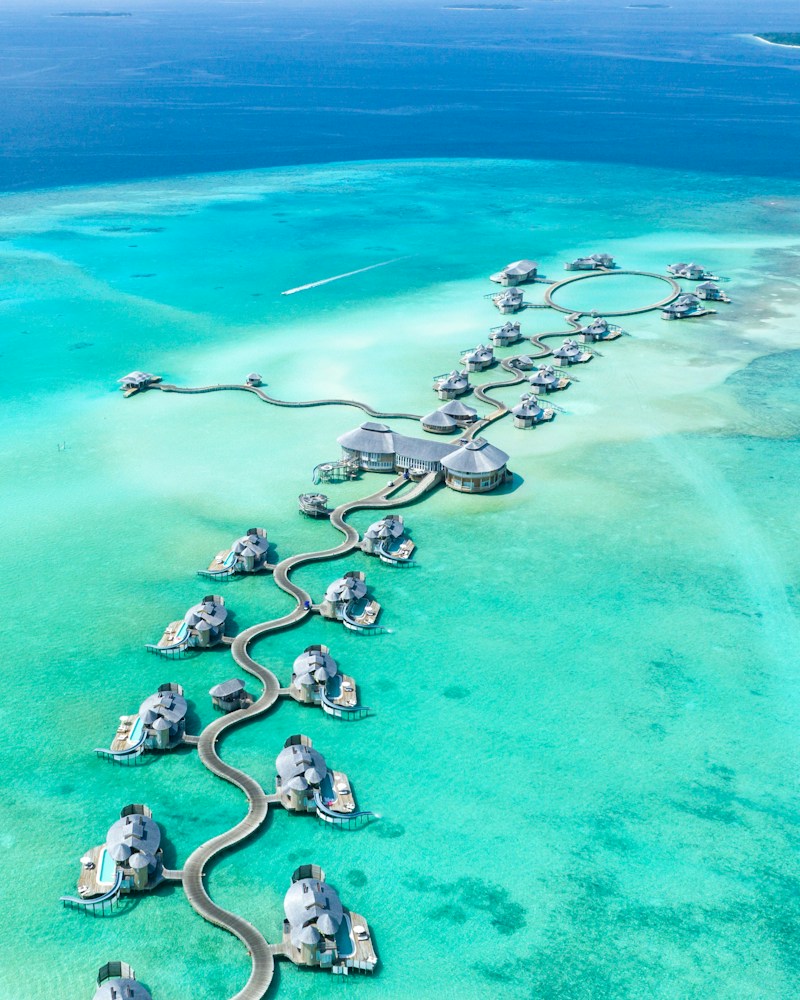
Stay in an Overwater Bungalow in the Maldives
Wake up to crystal-clear turquoise waters beneath your feet.
At a Glance
$3.0k+
5-10 days
Maldives
November to April
About This Experience
The Maldives exists as a vision of tropical perfection—1,192 coral islands scattered across the Indian Ocean like emeralds strung on blue silk, their white sand beaches meeting waters so clear that the reef below appears close enough to touch. This archipelago has become synonymous with luxury escape, the destination where honeymooners and high-net-worth travelers go to experience overwater villas, underwater restaurants, and a level of pampering that makes ordinary resorts seem rustic. But the Maldives also offers some of the world's finest diving and represents a fragile ecosystem that climate change threatens to erase. The overwater villa has become the Maldives' signature accommodation. Originally pioneered in Tahiti, the concept reached its apotheosis here: private bungalows perched on stilts above the lagoon, with glass floor panels for watching fish below, direct ladder access to the water, and often private infinity pools that seem to merge with the ocean beyond. Premium resorts offer villas with butlers, private chefs, and amenities that redefine the boundaries of hospitality. The experience of falling asleep to gentle waves lapping below, of waking to sunrise over the Indian Ocean, of spending entire days without seeing another guest—this represents the Maldivian promise. The underwater world justifies the journey for many visitors. The Maldives sits at the heart of a coral triangle whose biodiversity rivals anywhere on Earth. Manta rays, whale sharks, reef sharks, sea turtles, and an encyclopedic variety of tropical fish congregate at sites accessible from most resorts. The atolls create channels where nutrient-rich currents attract pelagics in concentrations that make advanced divers plan entire trips around specific sites. Even snorkelers find house reefs within swimming distance of their villas, the coral gardens providing hours of exploration without leaving resort property. The resort system structures the Maldivian experience in ways unusual for tourism. Most resorts occupy their own private islands—one island, one resort—creating self-contained environments where guests rarely leave during their stay. This isolation provides privacy and exclusivity but also limits cultural immersion. The transfer from Malé airport to your resort—by speedboat for closer properties, by seaplane for more distant ones—initiates this separation, the views during transit providing the only glimpses of the inhabited Maldives. The inhabited islands offer a contrasting perspective. Locals live on islands with mosques, markets, and fishing economies, their culture shaped by Islam (the state religion since the 12th century), South Asian influences, and the practical requirements of archipelagic life. Guesthouses on local islands provide budget alternatives to resort luxury, offering opportunities to eat local food, join local diving operations, and interact with Maldivian communities rather than isolated staff. These options have grown significantly in recent years, though they require adjusting expectations from resort standards. The diving and snorkeling seasons affect what you'll encounter. The northeast monsoon (December through March) brings the driest weather, calmest seas, and best visibility—the high season when resort prices peak. The southwest monsoon (May through October) offers discounted rates and better opportunities for manta ray encounters on the western atolls, though rain and rougher seas may affect some activities. The transition months can offer advantages of both seasons, though weather becomes less predictable. The environmental stakes are existential. The Maldives averages just 1.5 meters above sea level—the flattest country on Earth—and climate scientists project significant portions could become uninhabitable by century's end as sea levels rise. Coral bleaching events have already damaged reefs. The government has famously held underwater cabinet meetings to draw attention to these threats. For visitors, this context adds urgency: the Maldives you see today may not exist for future generations, and the choice to visit carries both the opportunity to witness something remarkable and the carbon footprint that contributes to its potential destruction. The practical considerations shape expectations. Everything costs more because everything must be imported to islands with no agriculture or manufacturing. Resort pricing typically excludes meals and activities, making the final bill significantly higher than the initial room rate suggests. All-inclusive packages, while expensive upfront, provide predictability. The resort monopoly means no price competition within any property—the resort restaurant, spa, and dive center are your only options. The romance associations are deserved but not obligatory. While the Maldives features prominently in honeymoon and anniversary plans, solo travelers, friends, and families also find the pace and environment rewarding. The absence of distractions—limited WiFi at some resorts, minimal nightlife, the impossibility of sightseeing in the traditional sense—forces a slowdown that many travelers claim they need but rarely achieve. Whether this sounds like paradise or punishment depends on your relationship with doing nothing. The departure experience often inverts the arrival. Flying out, usually at dawn to catch morning seaplane connections, you watch your island shrink behind you, the resort that consumed your attention for days becoming just another palm-fringed speck in an ocean of similar specks. The return to airports, traffic, and connected life feels jarring. The Maldives doesn't just offer vacation; it offers temporary residence in a fundamentally different relationship with space, time, and the sea.
Cost Breakdown
Estimated costs can vary based on location, season, and personal choices.
Budget
Basic experience, economical choices
Mid-Range
Comfortable experience, quality choices
Luxury
Premium experience, best options
Difficulty & Requirements
Perfect for beginners. Minimal preparation needed.
Physical Requirements
Minimal
Tips & Advice
Book well in advance for best resorts
Consider a seaplane transfer for the experience
Night snorkeling with manta rays is magical
All-inclusive makes budgeting easier
The Maldives are sinking - visit while you can
Community Discussion
Ask questions, share tips, or read experiences from others.
View Discussions Start DiscussionShare This Experience
Quick Summary
- Category Travel
- Starting Cost $3.0k
- Time Needed 5-10 days
- Best Season November to April
- Difficulty Easy
Explore More
You Might Also Like
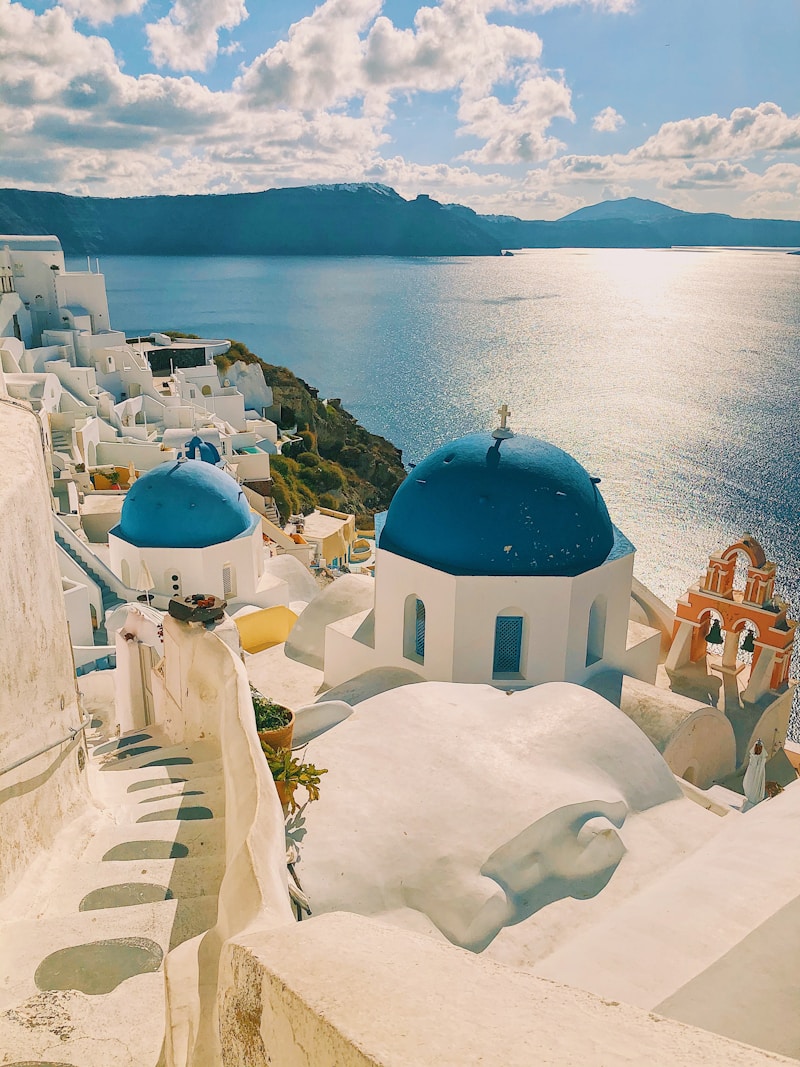
Explore Santorini, Greece
Wander through whitewashed villages perched on volcanic cliffs.
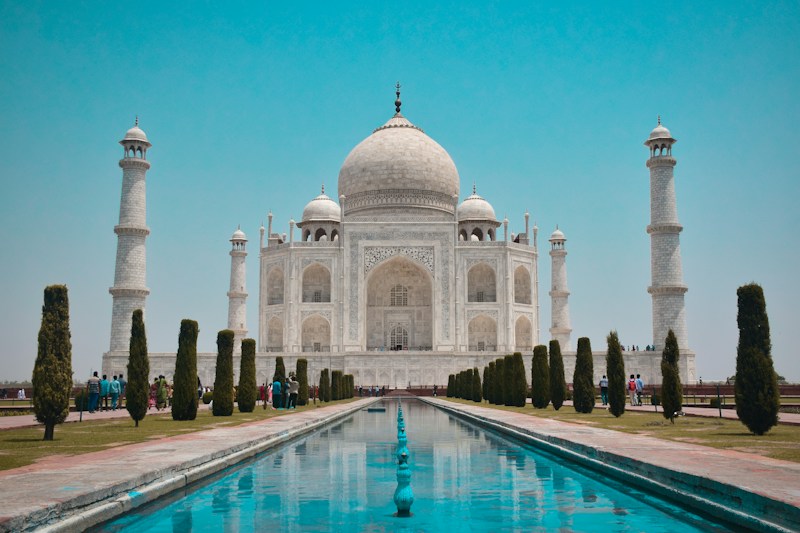
Visit the Taj Mahal
Witness the world's most beautiful monument to love at sunrise.
Snorkel the Great Barrier Reef
Swim among vibrant coral and tropical fish in the world's largest reef system.
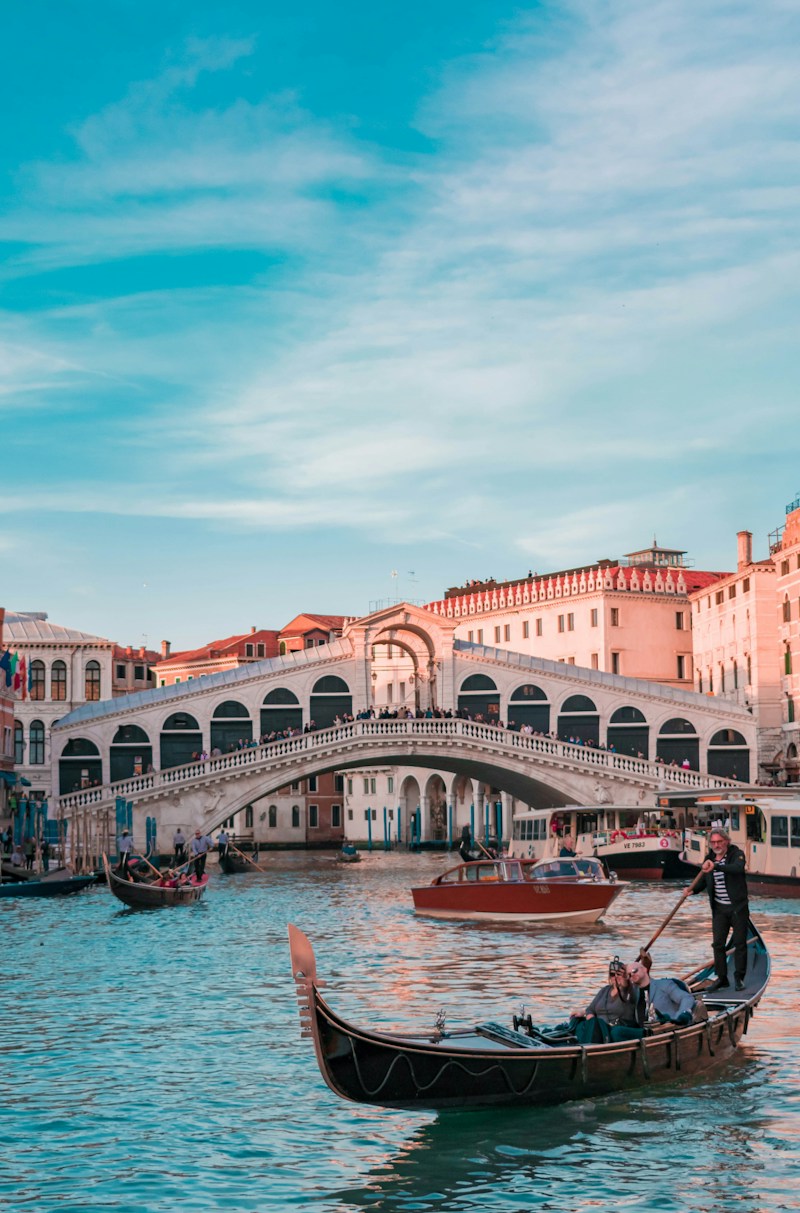
Get Lost in Venice
Wander the enchanting canals and hidden squares of the floating city.