Wander Through Prague
From $800
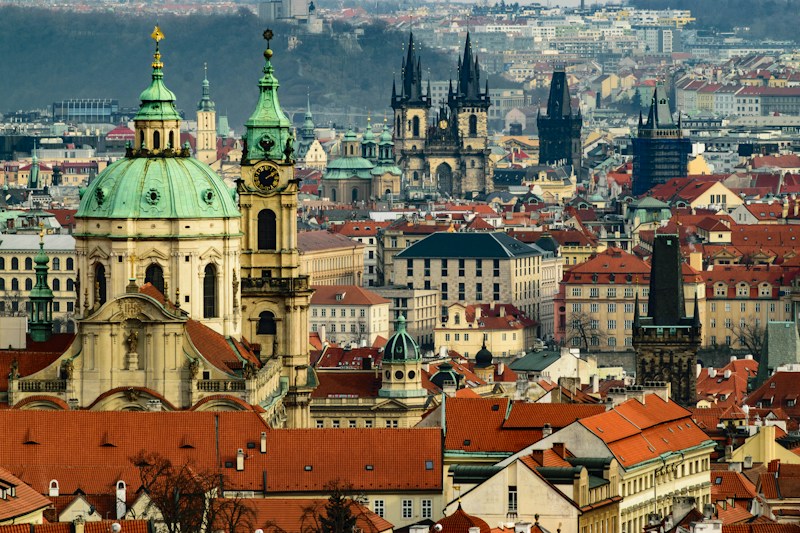
Wander Through Prague
Explore the fairytale spires and cobblestone streets of the Golden City.
At a Glance
$800+
3-5 days
Czech Republic
April-May or September-October
About This Experience
Prague survived the 20th century's destruction largely intact—neither world wars nor Communist indifference managed to erase the Gothic spires, Baroque palaces, and Art Nouveau flourishes that make this one of Europe's most visually coherent historical cities. Walking through the Old Town as the light changes, watching the astronomical clock perform its hourly mechanical parade, crossing the Charles Bridge beneath its avenue of Baroque saints, ascending to Prague Castle to survey the red rooftops below—Prague delivers beauty so concentrated that the senses struggle to absorb it all. The Old Town Square anchors the medieval city, its irregular shape enclosed by buildings that span centuries. The twin Gothic spires of the Church of Our Lady before Týn loom over the square. The Old Town Hall's astronomical clock, installed in 1410 and mechanically updated over centuries, draws crowds every hour for its procession of apostles and moving figures—a medieval spectacle that seems absurd until you watch it, then feels essential. The surrounding buildings house restaurants, shops, and the persistent tourist infrastructure of one of Europe's most visited destinations. Charles Bridge, the stone connection between Old Town and Lesser Town, has carried pedestrians across the Vltava River since 1357. The thirty Baroque statues that line its parapets—St. John of Nepomuk's bronze is polished golden from countless hands touching it for luck—transform a functional bridge into an outdoor gallery. The crowds during day can overwhelm, but arriving at dawn, watching mist rise from the river as the first light catches the castle above, reveals why this bridge has inspired generations of painters and photographers. Prague Castle (Pražský hrad) sprawls across the ridge above the city, the largest ancient castle complex in the world, containing St. Vitus Cathedral, royal palaces, churches, and gardens within its walls. St. Vitus Cathedral, under construction for nearly 600 years, contains Czech crown jewels and the tomb of "Good King Wenceslas" (actually a duke) whose name Christmas carols made famous. The castle's scale requires hours to explore, and the views over the city from its terraces reward the climb. The Jewish Quarter (Josefov) preserves one of Europe's oldest Jewish communities in a concentration of synagogues and the poignant Old Jewish Cemetery, where layers of headstones—12,000 visible, many more below—mark centuries of burials in the only ground where Prague's Jews could bury their dead. The Nazis preserved these sites as a planned "exotic museum of an extinct race"; now they memorialize the communities whose destruction the Nazis intended. The Art Nouveau architecture adds another layer to Prague's beauty. The Municipal House, where Czech independence was declared in 1918, features interior decoration by Alfons Mucha and other masters of the style. The Grand Hotel Europa, even in faded glory, displays the movement's organic curves and decorative ambition. Art Nouveau cafes, some restored to period accuracy, others authentically shabby, provide settings for coffee and cake rituals that continue across Central Europe. Czech beer deserves serious attention. This country invented Pilsner, and the brewing tradition extends to countless regional varieties served fresh in pubs throughout the city. The proper pub experience—table service, beer in half-liter glasses, traditional Czech food like svíčková (marinated beef with cream sauce)—contrasts with the craft beer bars that have proliferated, both traditions representing Czech beer culture at its finest. The Communist era left its own marks. The Television Tower in Žižkov, a graceless structure decorated with giant crawling baby sculptures by artist David Černý, represents late-Communist construction aesthetics. The Museum of Communism presents life under the regime without nostalgia. Černý's other works—the hanging man (Sigmund Freud), the peeing statues, the upside-down horse with St. Wenceslas—scatter through the city as expressions of Czech absurdist humor. The Velvet Revolution of 1989, which ended Communist rule peacefully, began with student demonstrations in Prague that grew into nationwide protest. The events unfolded partly in Wenceslas Square, actually a long boulevard rather than a square, where the National Museum anchors one end and bars and shops line the sides. Walking here connects to history that most visitors can remember, the scenes captured on television as totalitarianism crumbled. The tourist infrastructure has grown sophisticated and, in high season, overwhelming. The Old Town can feel like a theme park when cruise ship passengers flood through; the Charles Bridge at midday barely allows movement. But Prague rewards strategic timing—early mornings, late evenings, winter visits, and neighborhoods beyond the medieval core. Vinohrady and Žižkov offer authentic local life; the Letná beer garden provides castle views without castle crowds; Vyšehrad fortress offers history with fewer tourists. Prague's physical beauty is undeniable, its preservation remarkable, its accessibility convenient. But the city offers more than scenery. The literary heritage—Franz Kafka's Prague remains identifiable in the Old Town streets—the musical traditions, the café culture, the beer, and the particular Czech humor all contribute to a destination that rewards engagement beyond the picture-postcard views.
Cost Breakdown
Estimated costs can vary based on location, season, and personal choices.
Budget
Basic experience, economical choices
Mid-Range
Comfortable experience, quality choices
Luxury
Premium experience, best options
Difficulty & Requirements
Perfect for beginners. Minimal preparation needed.
Physical Requirements
Walking on cobblestones
Tips & Advice
Cross Charles Bridge at sunrise to avoid crowds
Climb the Old Town Hall tower for views
Try trdelník pastry and Czech beer
Book a river cruise for sunset
Explore beyond Old Town to Vinohrady
Related Topics
Community Discussion
Ask questions, share tips, or read experiences from others.
View Discussions Start DiscussionShare This Experience
Quick Summary
- Category Travel
- Starting Cost $800
- Time Needed 3-5 days
- Best Season April-May or September-October
- Difficulty Easy
You Might Also Like
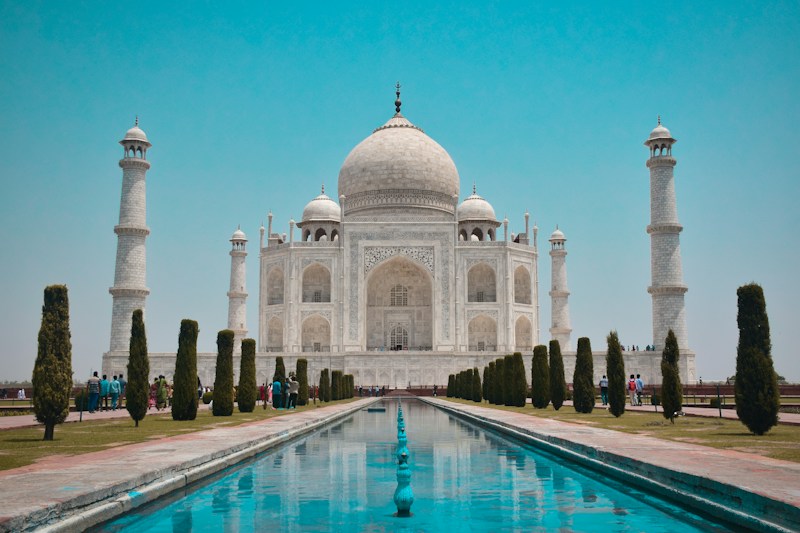
Visit the Taj Mahal
Witness the world's most beautiful monument to love at sunrise.
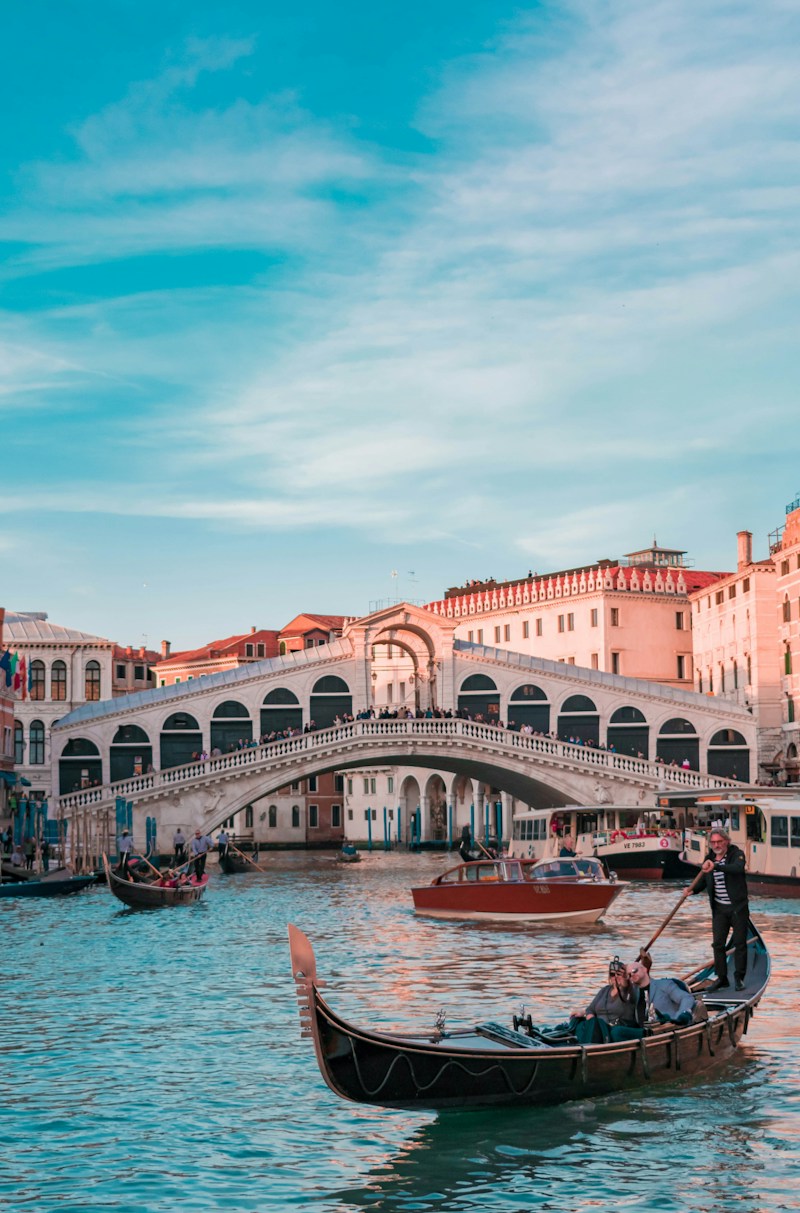
Get Lost in Venice
Wander the enchanting canals and hidden squares of the floating city.
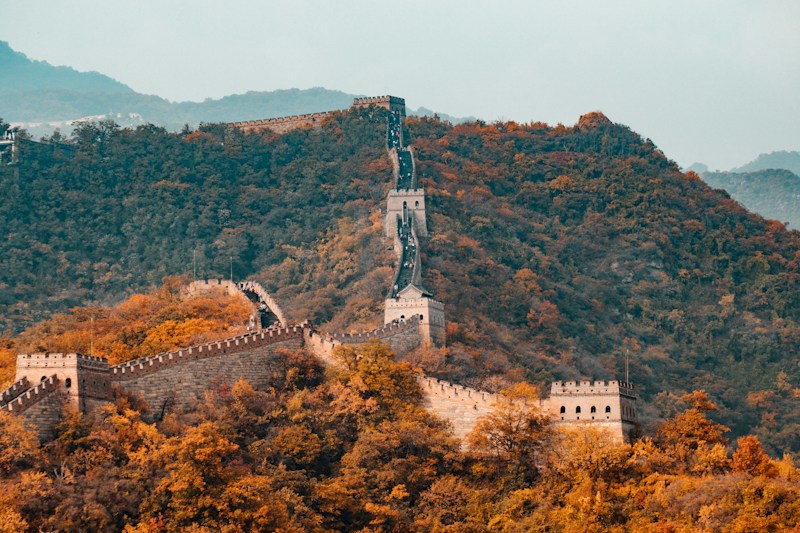
Walk the Great Wall of China
Trek along one of the world's most impressive architectural feats.
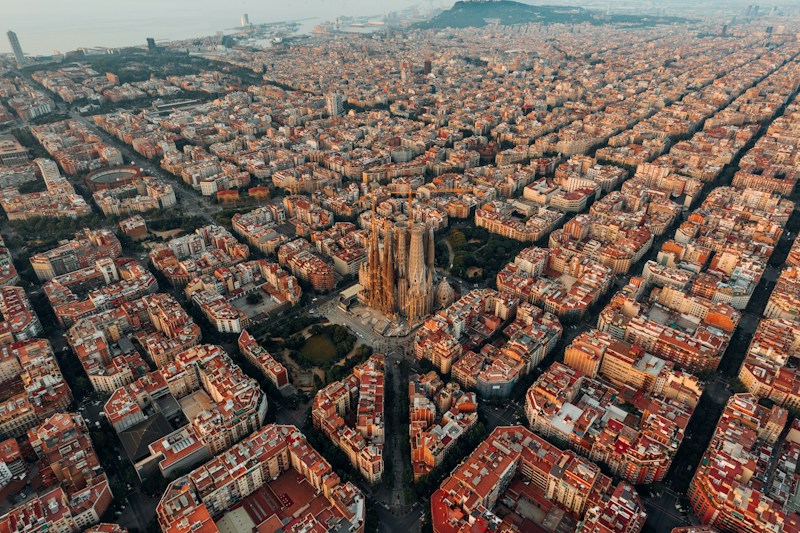
Discover Barcelona
Explore Gaudí's fantastical architecture and vibrant Catalan culture.