Explore St. Petersburg's Palaces
From $1.0k
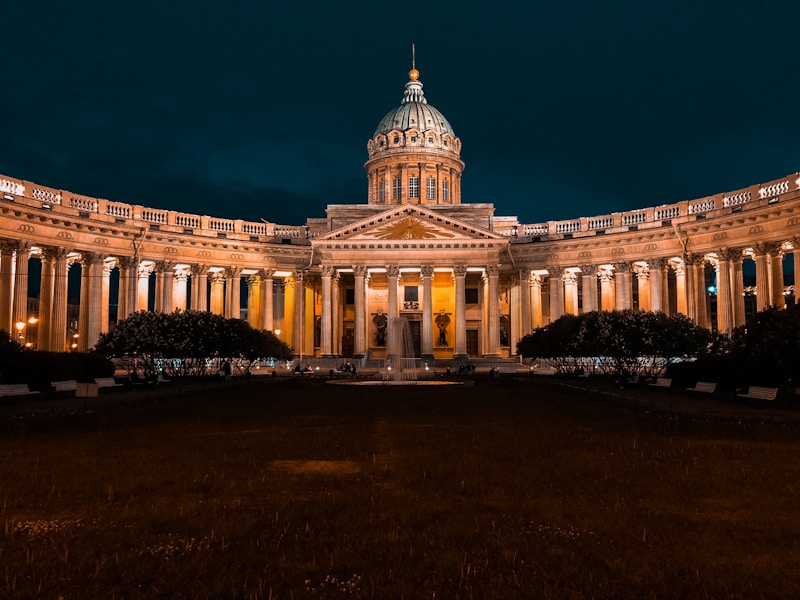
Explore St. Petersburg's Palaces
Marvel at the opulence of Russia's imperial capital.
At a Glance
$1.0k+
4-6 days
Russia
June-July (White Nights)
About This Experience
St. Petersburg exists because Peter the Great decided Russia needed a European capital, and so he built one—from nothing, on a swamp, at a cost measured in lives as well as rubles, creating a city of palaces and canals that could stand beside Paris or Vienna. The result, three centuries later, remains Russia's cultural soul: the Hermitage housing one of the world's greatest art collections, the gilded palaces of the tsars preserved as museums, the ballet and opera traditions that Russian artists made legendary, all arranged along canals and grand avenues designed to impress. St. Petersburg delivers grandeur that few cities can match, the visible evidence of imperial ambition and artistic achievement compressed into a city that still functions as Russia's creative capital. The Hermitage commands any St. Petersburg itinerary. The museum complex occupies six buildings including the Winter Palace, former residence of the tsars, containing over three million items of which perhaps 60,000 are on display at any time. Walking the collection properly requires days—the Rembrandts alone warrant extended attention, the Impressionist galleries rival Paris, the Egyptian collection rivals Cairo, and the decorative art in the palace rooms themselves constitutes a collection beyond the objects they contain. The lines for entry can stretch for hours during peak season; advance online booking or arriving at opening provides better experiences. The summer palaces around St. Petersburg extend the imperial grandeur. Peterhof, the "Russian Versailles" on the Gulf of Finland, deploys fountains in cascades that make Versailles itself seem restrained—the Grand Cascade alone employs 64 fountains, 142 water jets, and gilded statues producing a spectacle designed to demonstrate Russian mastery of engineering and aesthetics. Catherine Palace in Tsarskoye Selo contains the reconstructed Amber Room, panels of amber and gold that the Nazis looted during World War II and Soviet craftsmen recreated over 25 years. Pavlovsk Palace presents perhaps the finest interior preservation, its 18th-century rooms intact down to the silk wall coverings. The architecture throughout the city center creates a coherent historical environment. Nevsky Prospekt, the main avenue stretching over four kilometers, passes Kazan Cathedral, the Singer Building, Gostiny Dvor (the grand arcade), and countless examples of Baroque and Neoclassical design. The Church of the Savior on Spilled Blood, built where Alexander II was assassinated, deploys Russian Revival architecture in colorful onion domes that contrast with the European classicism dominant elsewhere. The Peter and Paul Fortress, the city's oldest structure, contains the cathedral where every tsar from Peter the Great to Nicholas II lies buried. The White Nights transform the summer experience. From late May through mid-July, the sun barely sets, twilight lasting through the night before dawn returns. The city comes alive with festivals, bridges rising in the small hours to allow ships through while crowds gather to watch, and the energy of continuous daylight that makes sleep seem unnecessary. This is peak season, with prices and crowds to match, but the experience of a city that never gets dark justifies the inconveniences. The cultural calendar deserves attention beyond the visual arts. The Mariinsky Theatre stages ballet and opera in traditions that produced some of the art form's greatest achievements—Nureyev danced here, and the company standards remain among the world's highest. The Alexandrinsky Theatre presents drama in Russian, though the building itself merits viewing regardless of language abilities. The annual Stars of the White Nights Festival concentrates international performers in June. The Russian history visible in St. Petersburg includes the Revolution—the Winter Palace was stormed in 1917, events commemorated and sometimes mythologized in Soviet-era memorials and museums. The Siege of Leningrad during World War II, one of history's deadliest sieges with over a million civilian deaths, receives documentation at the Memorial Cemetery of Leningrad Siege Victims and other sites. Understanding Russia requires engaging with this history; St. Petersburg makes that engagement unavoidable. The practical considerations include visa requirements (most nationalities need visas obtained in advance), language barriers (Russian is less tourist-friendly than Western European alternatives, though major sites have English signage), and the considerable walking required to experience the spread-out attractions. The Metro system provides efficient transportation with palatial stations that themselves constitute attractions. Accommodation and dining options have expanded considerably since Soviet times, though navigating the restaurant scene benefits from current recommendations. St. Petersburg represents Russian culture at its most accessible and most impressive—the window to Europe that Peter the Great created, still opening views in both directions.
Cost Breakdown
Estimated costs can vary based on location, season, and personal choices.
Budget
Basic experience, economical choices
Mid-Range
Comfortable experience, quality choices
Luxury
Premium experience, best options
Difficulty & Requirements
Accessible for most people with basic planning.
Physical Requirements
Lots of walking
Prerequisites
- Russian visa
Tips & Advice
The Hermitage alone needs 2+ days
Visit during White Nights for 24hr daylight
Take a hydrofoil to Peterhof
Book ballet at Mariinsky Theatre
Walk Nevsky Prospekt for city atmosphere
Related Topics
Community Discussion
Ask questions, share tips, or read experiences from others.
View Discussions Start DiscussionShare This Experience
Quick Summary
- Category Travel
- Starting Cost $1.0k
- Time Needed 4-6 days
- Best Season June-July (White Nights)
- Difficulty Moderate
You Might Also Like
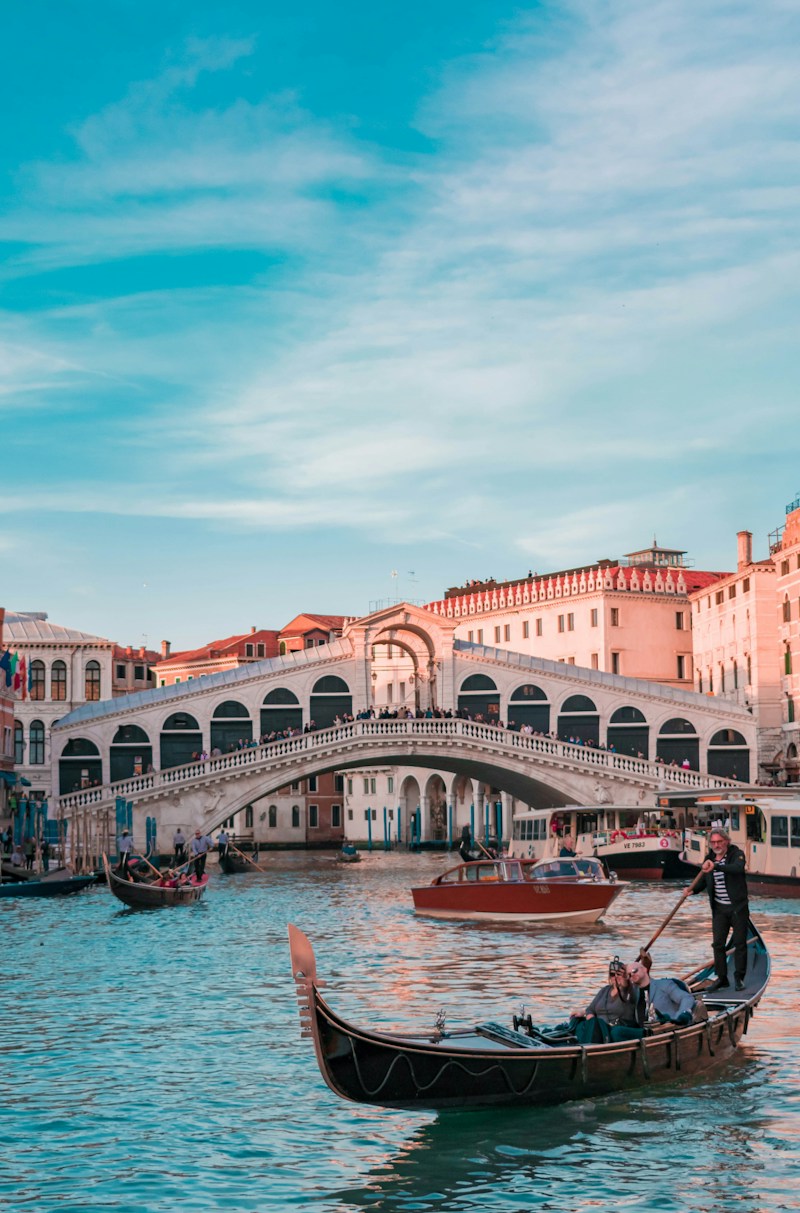
Get Lost in Venice
Wander the enchanting canals and hidden squares of the floating city.
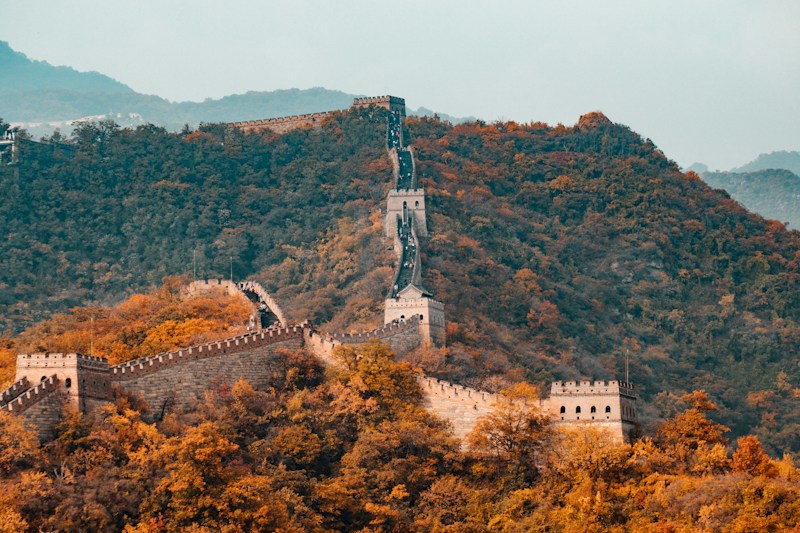
Walk the Great Wall of China
Trek along one of the world's most impressive architectural feats.
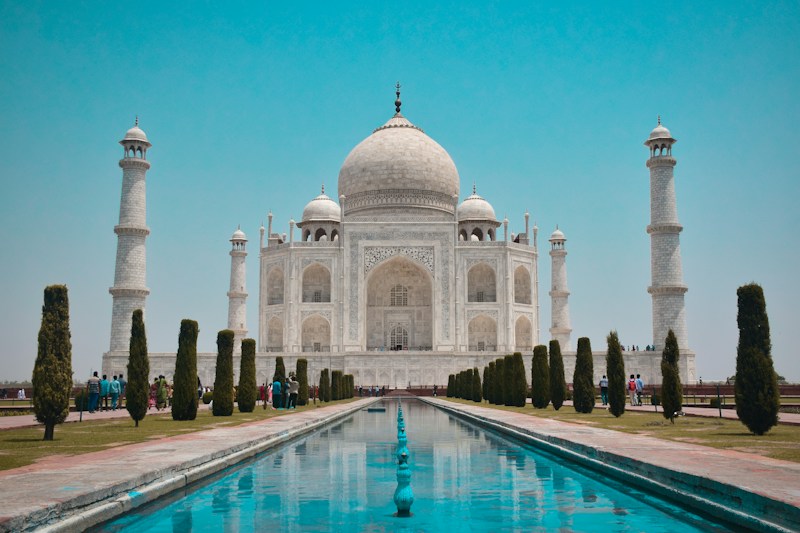
Visit the Taj Mahal
Witness the world's most beautiful monument to love at sunrise.
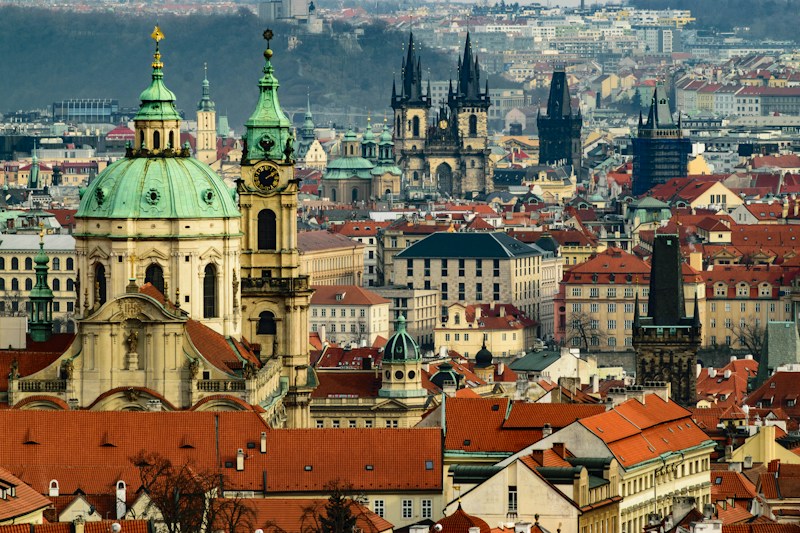
Wander Through Prague
Explore the fairytale spires and cobblestone streets of the Golden City.